


How to Prevent Sun Damage Signs on Mature Skin During Summer
We've all heard 'wear sunscreen' a thousand times. But if you're dealing with mature skin that's already showing signs of past sun exposure, the advice needs to go deeper than SPF ratings. Understanding exactly how UV damages skin – and how that damage compounds with age – gives you the knowledge to build genuinely effective protection.
Let's be honest: if you grew up in Australia in the 70s, 80s, or even 90s, you probably have a complicated relationship with sun protection. We were the generation of baby oil and reflective tanning boards, of thinking a ‘base tan’ was protection, of not really understanding what we were doing to our skin. The damage from those years is already done – but that doesn't mean we can't protect what we have now.
Here's the thing: preventing further sun damage isn't just about avoiding new wrinkles. It's about protecting your skin's ability to repair itself, maintaining the barrier that keeps moisture in and irritants out, and giving your cells the best chance to function properly. It's about skin health, not just skin appearance.
The Science of UV Damage: What's Actually Happening
When UV radiation hits your skin, it triggers a cascade of damage at the cellular level. Understanding this helps you appreciate why sun protection is about so much more than avoiding sunburn.
Direct DNA Damage
UVB rays directly damage cellular DNA, creating mutations that your body then has to repair. While your body has sophisticated repair mechanisms, these become less efficient with age. The mutations that get missed can accumulate over time, contributing to everything from pigmentation changes to more serious concerns.
Think of it like typos in a document. When you're young, you have excellent spell-check that catches almost everything. As you age, the spell-check gets a bit slower, a bit less thorough. Some typos start slipping through.

Oxidative Stress
According to research in PMC studies on UV and photoaging, overexposure to UV radiation increases reactive oxygen species (ROS), which at higher concentrations damages collagen and elastin proteins.
Reactive oxygen species are essentially unstable molecules that damage everything they touch in their search for stability. They're the reason antioxidants are so important—antioxidants neutralise these molecules before they can cause harm.
Enzyme Activation
Matrix metalloproteinases (MMPs) break down collagen and elastin – the proteins that give your skin structure and bounce. UV exposure dramatically increases MMP expression, contributing to the thick wrinkles and sagging characteristic of photoaged skin. It's not just that you stop making collagen; UV actively destroys what you have.
Inflammatory Cascade
UV triggers a cascade of inflammatory signals in skin cells, amplifying the damage beyond just the initial exposure. This inflammation contributes to redness, sensitivity, and accelerated breakdown of skin structures. It's why sun-damaged skin often looks irritated even when it's not technically burned.
Why Mature Skin Is More Vulnerable
If it feels like your skin is more sensitive to sun damage than it used to be, you're not imagining it. Several factors make mature skin particularly vulnerable.
Declining Repair Capacity
Your skin's DNA repair mechanisms slow with age. Damage that would have been corrected efficiently in younger skin now accumulates more readily. This is why the same amount of sun exposure causes more visible damage at 50 than it did at 25.
Hormonal Changes
Research in the Journal of Cosmetic Dermatology confirms that skin collagen declines at approximately 2.1% per year after menopause. UV damage during this vulnerable period compounds what's already happening internally.
If you're in perimenopause or menopause, your skin is already losing structural support. Adding UV damage to this equation is like removing bricks from a wall that's already missing mortar. The structure becomes increasingly unstable.

Accumulated Damage
Decades of Australian sun exposure have already left their mark. The sun damage you experienced in your twenties doesn't just disappear – it's still there, affecting how your skin functions. New UV exposure adds to this existing damage rather than starting fresh.
Thinner Skin
Mature skin is genuinely thinner than younger skin, with less of a protective barrier between UV radiation and the delicate structures underneath. There's simply less buffer.
A Holistic Approach to Sun Protection
Effective sun protection for mature skin requires a layered approach. No single strategy is enough on its own.
Layer 1: Physical Barriers
Hats, sunglasses, and protective clothing remain your most effective defence. A broad-brimmed hat blocks UV more effectively than any topical product – and it never needs reapplication.
I know, I know. You feel silly in a big hat. You don't want ‘hat hair.’ But here's the reality: the skin on your face, neck, and décolletage is the most visible and often the most damaged. A good hat protects all of it simultaneously.
Invest in sunglasses that wrap around or have large lenses. The skin around your eyes is the thinnest on your face and shows damage first. Plus, squinting in bright light creates expression lines that become permanent wrinkles over time.
Layer 2: Topical SPF
Broad-spectrum SPF 30+ is the minimum, but application matters more than SPF number. Most people apply only 25-50% of the recommended amount, which dramatically reduces effectiveness. For your face alone, you need about half a teaspoon of sunscreen.
Reapplication is non-negotiable if you're spending time outdoors. Every two hours, or more often if you're swimming or sweating. Yes, this means touching up over makeup. A powder SPF can help with this.
Layer 3: Antioxidant Defence
Research from the Linus Pauling Institute confirms that topical vitamin E application before UV exposure decreases markers of photodamage, including DNA damage and inflammatory response.
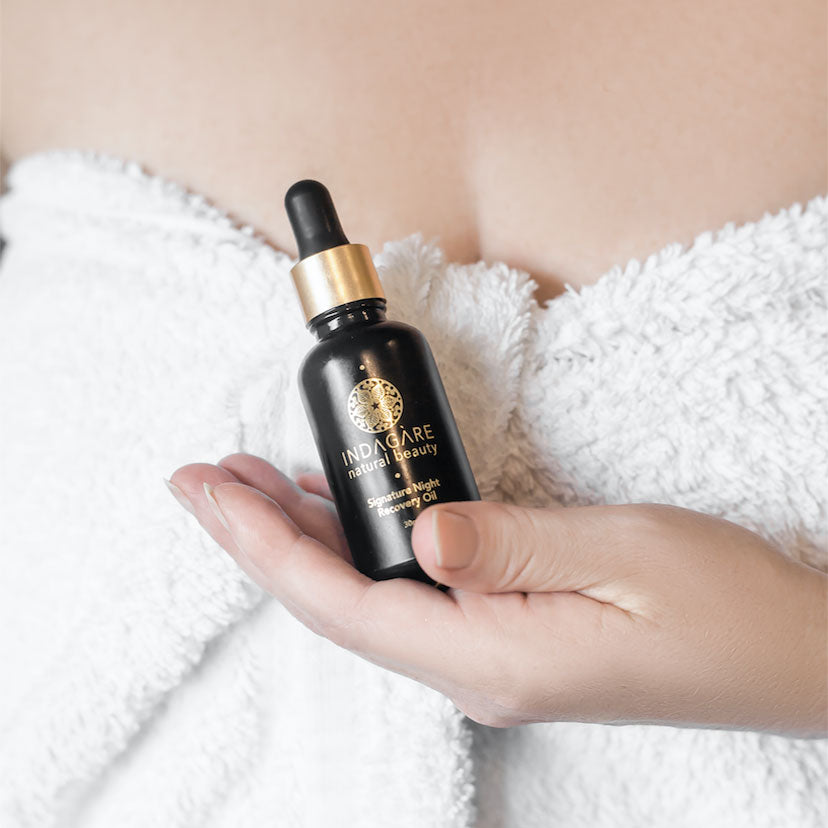
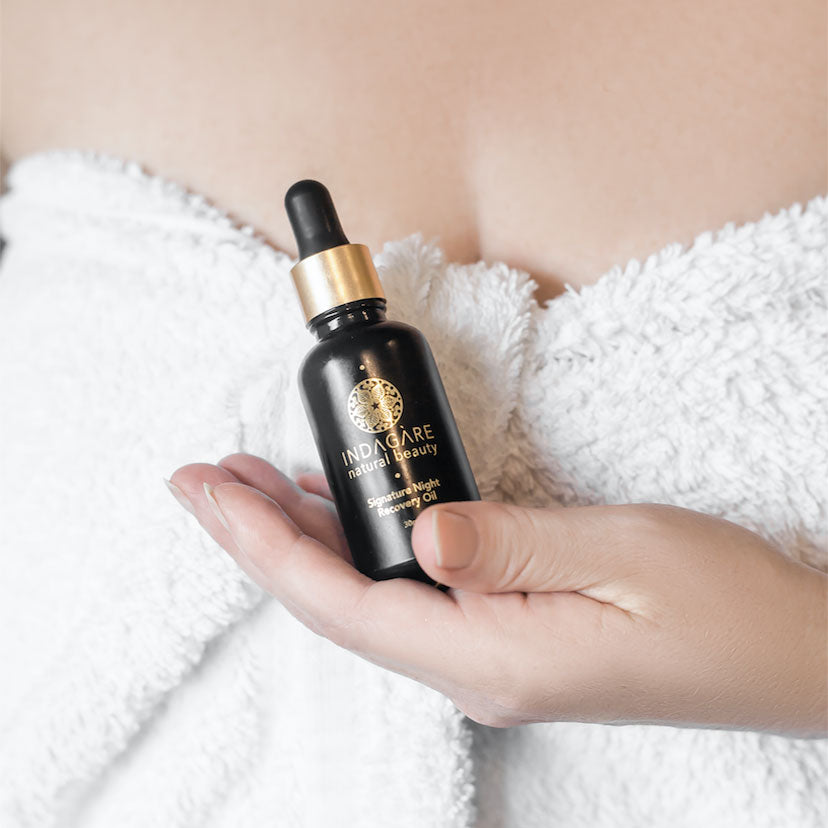
Prickly pear seed oil is exceptionally effective here. Its high vitamin E content combined with significant linoleic acid levels provides both antioxidant protection and skin barrier support. Apply it under your sunscreen for an extra layer of cellular defence.

Layer 4: Internal Support
Antioxidants consumed through diet – particularly carotenoids from colourful vegetables – accumulate in skin and provide additional protection. Foods rich in vitamin E, vitamin C, and omega-3 fatty acids all support your skin's ability to handle UV stress.
This isn't about eating your way to immunity from sun damage (that's not possible), but about giving your body the raw materials it needs for repair.
Repair Strategies for Existing Damage
Prevention is crucial, but so is repair. Your skin is constantly working to heal damage, and you can support this process.
Essential Fatty Acids
Research in the International Journal of Molecular Sciences confirms that linoleic acid helps repair skin barrier function and promotes wound healing – crucial after UV exposure compromises your barrier.
A damaged skin barrier lets moisture escape and irritants in. Repairing it is fundamental to healthy skin function. Botanical oils rich in linoleic acid, like prickly pear seed oil, directly supply the building blocks your skin needs for this repair.
Anti-Inflammatory Ingredients
UV triggers inflammation, so ingredients that calm inflammatory response help limit damage. Botanical oils rich in omega fatty acids have documented anti-inflammatory effects. The goal is to interrupt the damage cascade as quickly as possible.

Consistent Nighttime Repair
Your skin does most of its repair work at night. A consistent evening routine with nourishing botanical oils gives your skin the nutrients it needs during this crucial repair window.
A Realistic Mindset
Completely avoiding sun damage in Australia is nearly impossible unless you never go outside. And let's be real – that's not a life anyone wants to live. The goal isn't perfection – it's reducing exposure and supporting repair.
Sandy, using our Pure Prickly Pear Eye Roller, noticed:
‘I've had years of dark circles and dark skin under my eyes. After using this product religiously for 3 months, I can honestly say it has been significantly reversed.’
That's the power of consistent care – not perfect protection, but consistent support for your skin's health.
You can't undo the past. But you can make choices today that protect your skin's future.
Summer sun is part of Australian life – it's part of what makes living here wonderful. With the right protection and repair strategies, you can enjoy it while still caring for your skin.
The woman at the beach in the big hat with the gorgeous skin? She's not lucky. She's just been consistent about protection and repair. And there's nothing stopping you from being her.
With love,
Cath x