
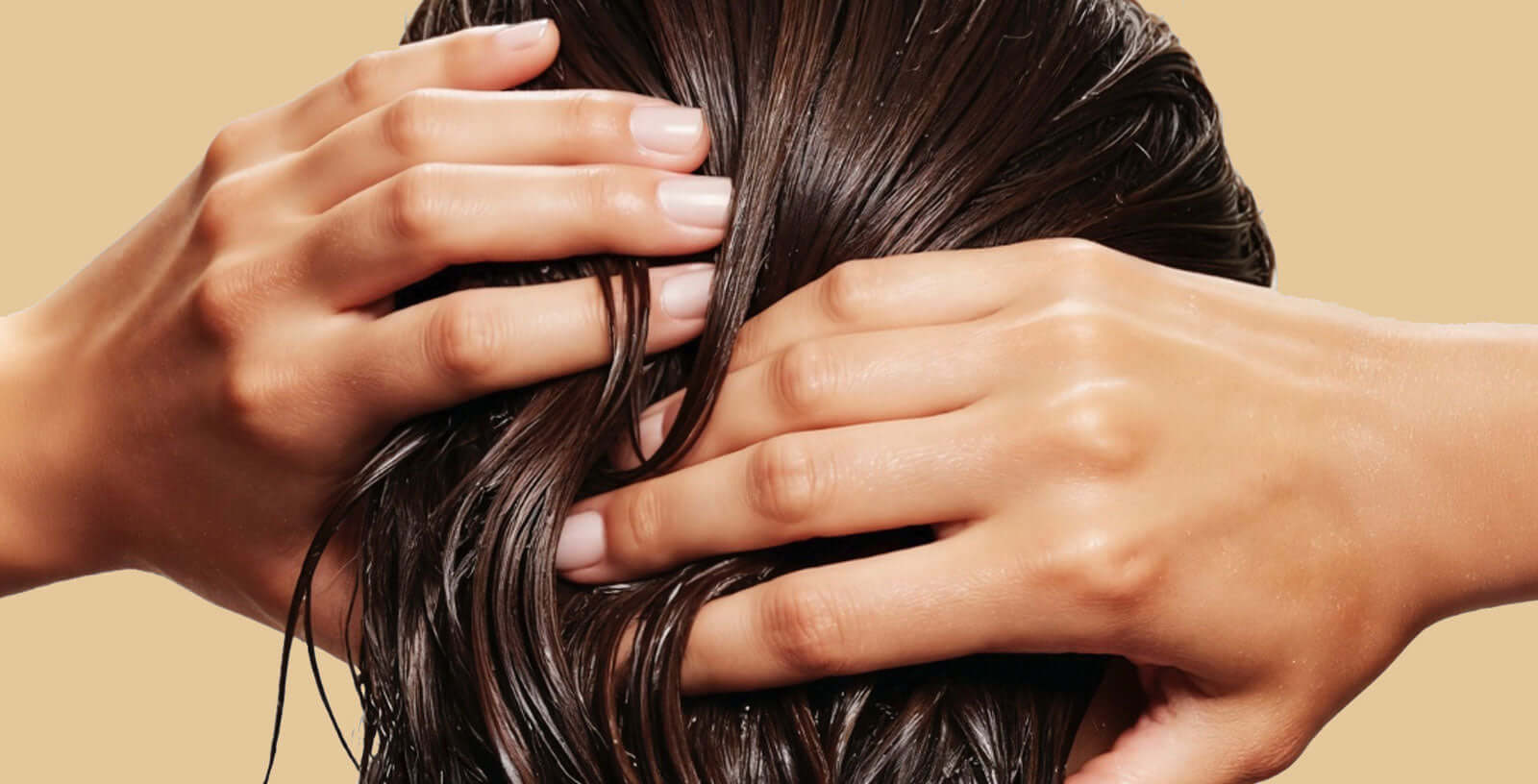

Where to Buy Hydrating Hair Masks for Dry Summer Hair in Australia
Summer leaves its mark on hair. The combination of UV exposure, chlorine, salt water, and air conditioning strips moisture from hair fibres, leaving you with dry, dull strands that desperately need hydration. You know that feeling when you brush your hair and it sounds like rustling leaves? When it tangles into knots the moment you step outside? When it looks matte instead of shiny, no matter what you do?
Finding genuinely effective hydrating treatments in Australia – rather than products that simply coat hair with silicones and call it ‘hydration’ – requires knowing what to look for. The market is flooded with options, and marketing claims don't always match reality.
Understanding Summer Hair Damage
Dry summer hair isn't just about moisture loss – it's about structural damage that prevents your hair from holding onto moisture in the first place.
Cuticle Damage
The outer layer of each hair strand (the cuticle) becomes roughed up from UV, chlorine, and mechanical stress like towel-drying and brushing. Healthy cuticles lie flat like roof tiles, reflecting light and keeping moisture in. Damaged cuticles stick up at angles, making hair look dull and feel rough, and allowing moisture to escape.
Run your fingers down a strand of hair. If it feels smooth going down but rough going up, your cuticles are damaged and standing up rather than lying flat.

Protein Loss
Research confirms that environmental stress causes protein loss from hair. Studies in the Journal of Cosmetic Dermatology show that protective treatments can significantly reduce this protein loss when applied before exposure to damaging agents.
Hair is about 91% protein (keratin). When that protein is damaged or lost, the hair structure weakens. It's not just cosmetic damage – it's structural damage that affects how your hair behaves.
Moisture Imbalance
Damaged cuticles can't retain moisture effectively, creating a cycle of increasing dryness that traditional conditioners often can't break. You deep condition, your hair feels better for a day, and then it's dry again. Sound familiar?
This is because many products treat the symptom (dryness) without addressing the cause (cuticle damage and barrier disruption). It's like putting water in a bucket with holes – no matter how much you add, it keeps draining away.
Hair Masks vs. Hair Oils: When to Use What
This is a question we get asked constantly: should I use a mask or an oil? The answer is it depends – and often, both.
Hair Masks
Traditional hair masks work by depositing conditioning agents that temporarily smooth the cuticle and add moisture. They're best for intensive weekly treatments when you have time to let them sit. The conditioning agents physically fill in gaps in the hair structure, making hair feel smoother.
The downside: many masks contain silicones and heavy waxes that can build up with overuse. They make hair feel great initially, but weekly or more frequent use can leave hair looking dull and heavy. Your hair might actually look worse over time, even though it felt good coming out of the shower.
Hair Oils
Botanical hair oils work differently – they penetrate the hair shaft to provide lasting hydration while creating a protective barrier against further damage. They're excellent for daily protection and don't cause the buildup associated with silicone-based masks.
Quality oils like prickly pear seed oil and argan oil are absorbed into the hair structure rather than just coating the surface. This means they provide genuine nourishment, not just temporary smoothness.
For summer-damaged hair, many people find a combination approach works best: occasional deep masks for intensive repair (once a week or fortnight), plus daily oil treatment for ongoing protection. The mask addresses accumulated damage; the oil prevents new damage.

Where to Shop in Australia
Salons and Professional Suppliers
Professional-grade products often contain higher concentrations of active ingredients. Ask your hairdresser for recommendations specific to your hair type – they see your hair and understand its particular needs.
Natural Beauty Retailers
Stores specialising in natural products typically carry botanical-based options without synthetic additives. Look for brands that list their full ingredients and explain their sourcing.
Staff at these stores often have genuine product knowledge, unlike department store staff who might just be pushing whatever brand pays them commission.
Online Direct-to-Consumer Brands
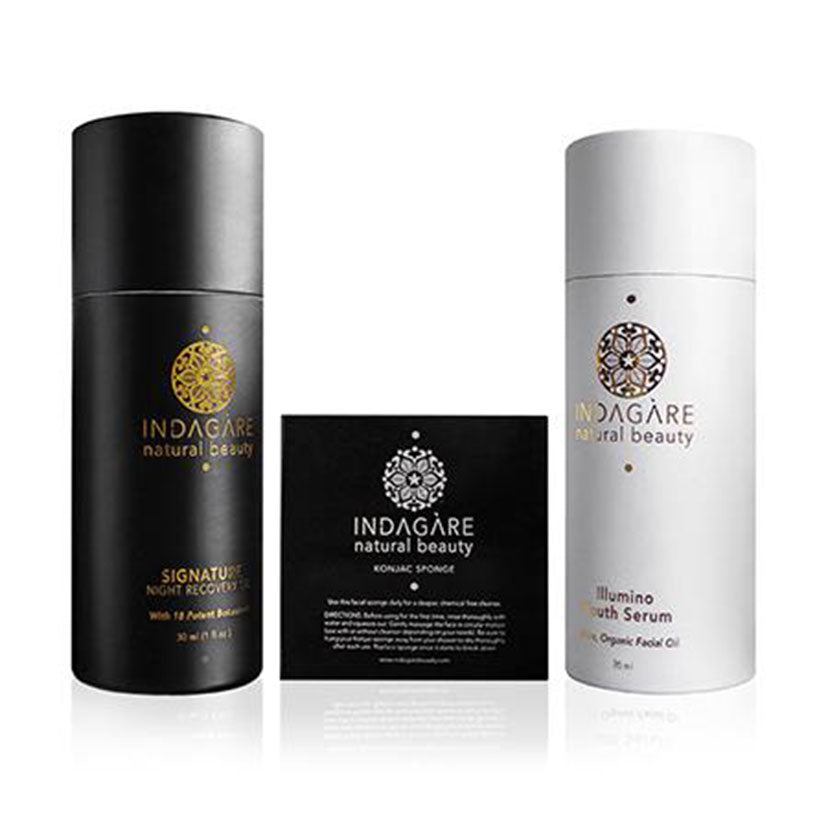
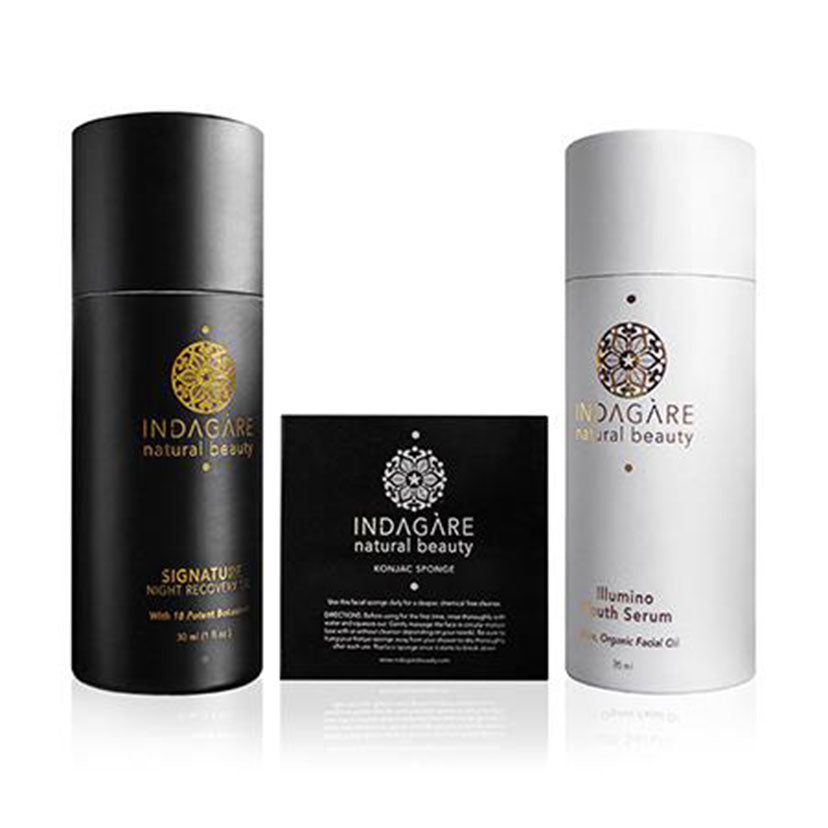
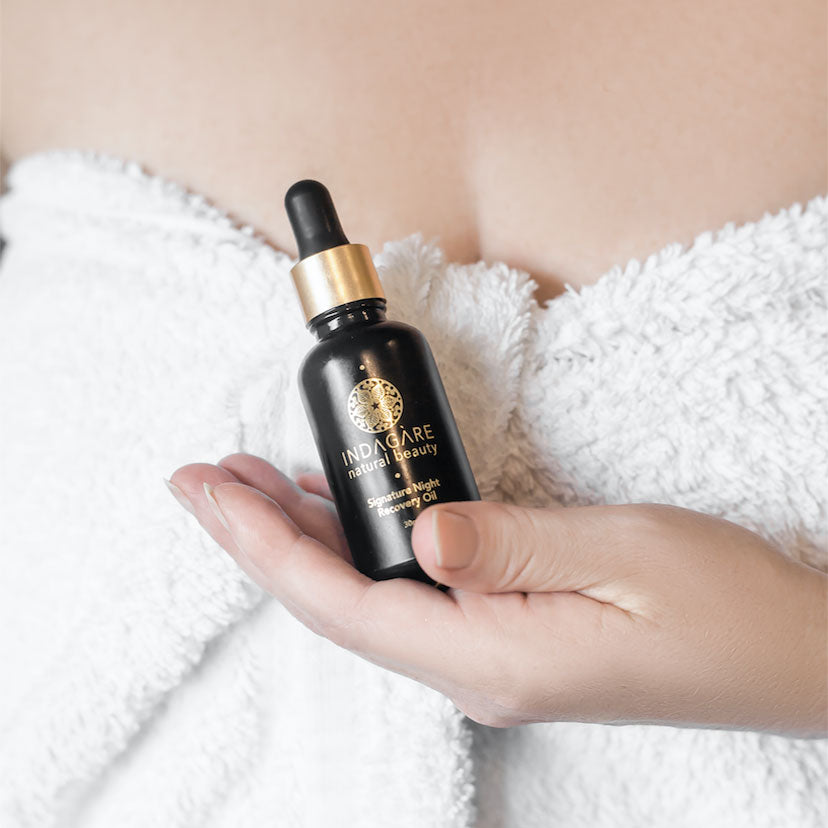
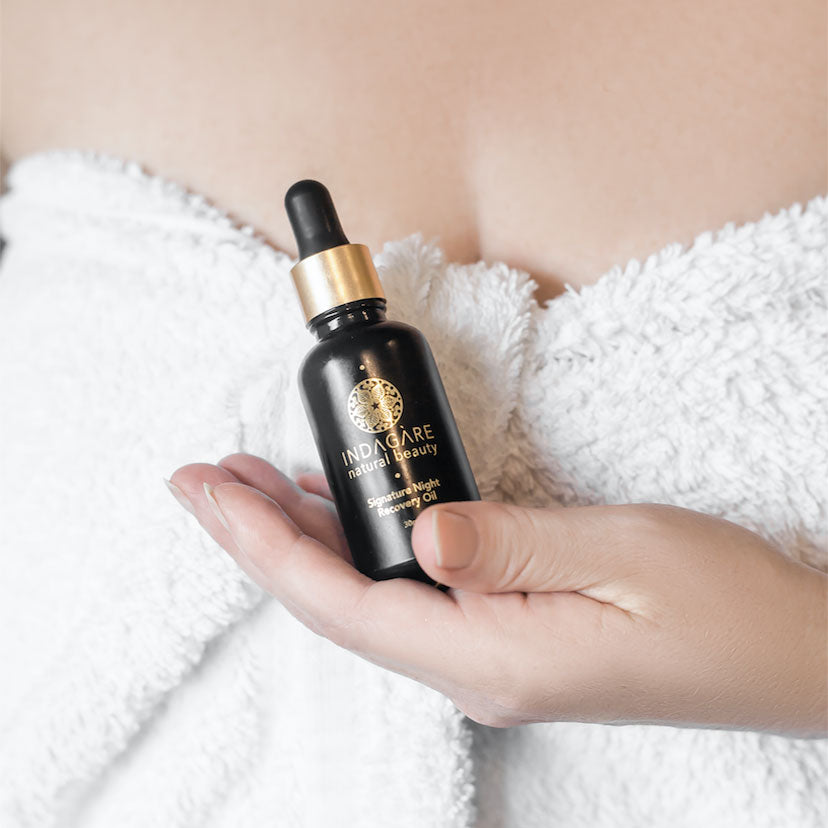
Smaller brands selling directly online, like Indagare Natural Beauty, often offer fresher products at better value. Without retail markup and long warehouse storage times, you get better quality for your money.
Research the brand's approach to sourcing and formulation. Brands that talk openly about their ingredients and processes are usually more trustworthy than those hiding behind marketing speak.
Pharmacies
Australian pharmacies increasingly stock quality hair care. Pharmacist recommendations can help navigate options for specific concerns, and they can advise on any interactions with medications that might affect hair.
Look beyond the big commercial brands – many pharmacies now stock boutique and professional ranges alongside the mainstream options.
What to Look For
Natural Oils
Argan, camellia, sacha inchi and macadamia nut oils all provide genuine hydration that penetrates the hair shaft. Look for these listed near the top of ingredient lists – not buried at the end where they're present in negligible amounts.
‘Contains argan oil’ on the front of the bottle means nothing if argan oil is the twentieth ingredient on the list…
Avoid Heavy Silicones
Ingredients ending in '-cone' (dimethicone, cyclomethicone, amodimethicone) coat hair but don't provide lasting hydration. They can build up over time, making hair feel heavy and look dull.
One or two silicones near the end of an ingredient list isn't necessarily a dealbreaker, but if they're the primary ingredients, the product is more about creating the illusion of healthy hair than actually nourishing it.
Protein Balance
Some damaged hair needs protein to repair structure. Others have protein overload and need pure hydration. Understanding your hair's needs helps you choose correctly.
How do you know? Hair that's lacking protein feels mushy when wet, stretches excessively, and breaks without returning to its shape. Hair with protein overload feels stiff, straw-like, and brittle. If you're not sure, start with hydration – it's harder to overdo.

Application Tips for Maximum Benefit
For Masks
Apply to clean, damp hair – not soaking wet, just towel-dried to remove excess water. Leave on for at least 10 minutes – longer for severely damaged hair. Some people wrap their hair in a warm towel to help the product penetrate.
Rinse thoroughly to avoid buildup. If your hair feels heavy or looks lank after using a mask, you either didn't rinse enough or the product is too heavy for your hair type.
For Oils
Apply to damp or dry hair, focusing on mid-lengths and ends. Start with a few drops – you can always add more, but you can't take it back. Warm the oil between your palms before applying to help it spread evenly.
Our Hair Renewal Oil absorbs quickly without greasiness. As Dale shared: ‘Best hair oil I have ever used. Hands down, 10/10. Smells amazing, feels incredible on the hair and delivers what it says on the label.’
For very damaged hair, try applying oil to dry hair before washing. It protects the hair during the washing process, which can actually be quite damaging when hair is in a vulnerable, wet state.

Building a Summer Hair Routine
Here's what a good summer hair care routine might look like for damaged, dry hair:
Daily: A few drops of botanical hair oil on damp hair after washing, focusing on ends. Before sun or water exposure, a light application of oil for protection.
Weekly: A hydrating mask treatment, left on for 20-30 minutes while you do something nice for yourself. Rinse thoroughly.
Monthly: Assess your hair's needs. Is it improving? Do you need more protein or more hydration? Adjust your routine accordingly.
Summer hair hydration isn't a one-time fix – it's an ongoing commitment to protection and repair. Finding products that genuinely work, rather than temporarily masking damage, sets you up for healthy hair all year round.
Your hair deserves more than a quick fix; it deserves genuine care.
With love,
Cath x