
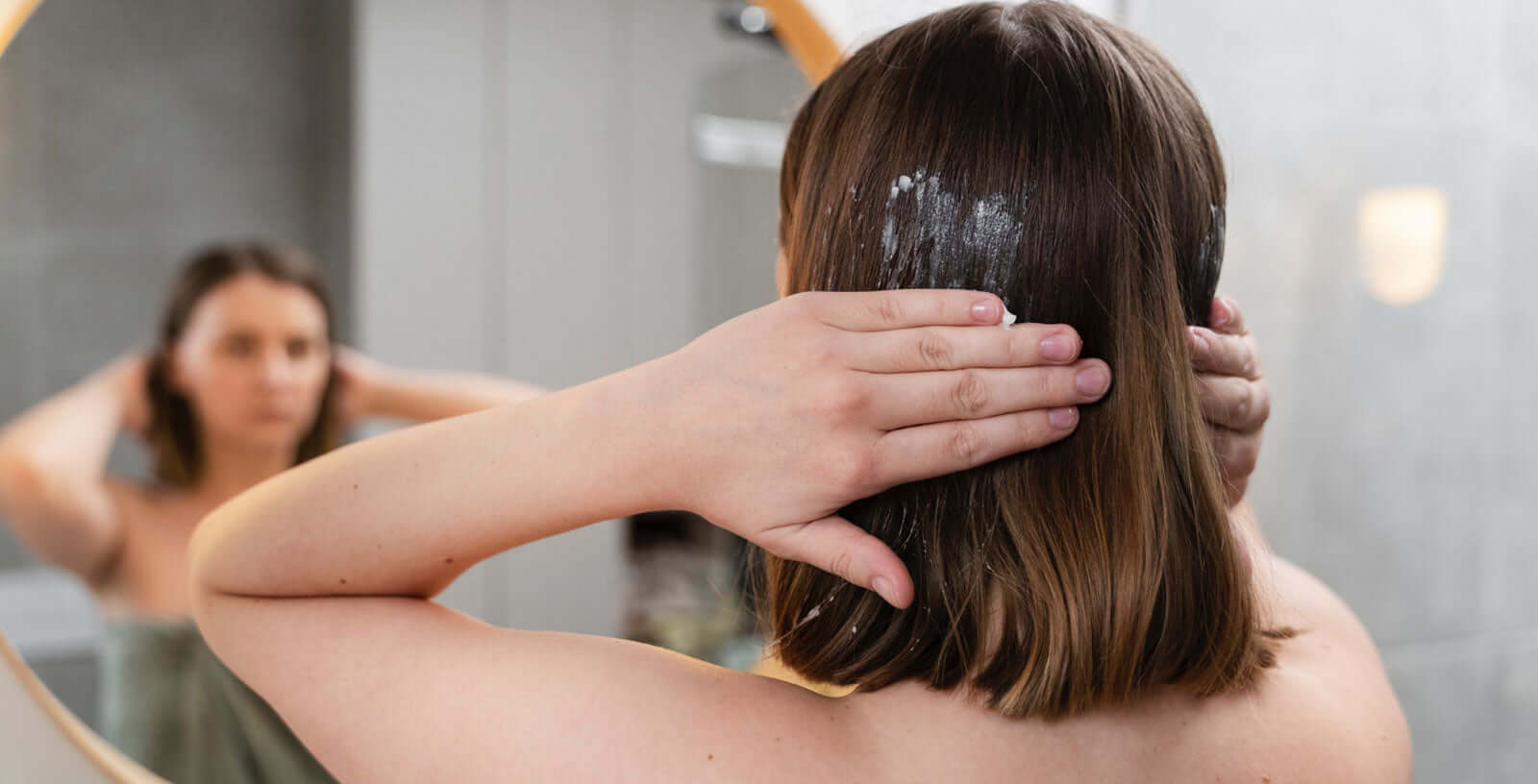

Can Deep Conditioning Treatments Reverse Summer Hair Damage?
After a summer of beach days, pool swims, and sun exposure, your hair might be showing the effects. Dry ends, breakage, colour fading, that straw-like texture that no amount of brushing seems to fix. The promise of ‘reversing’ damage sounds appealing – but is it realistic?
You've probably seen the marketing: ‘Reverse years of damage overnight!’ ‘Restore hair to its virgin state!’ ‘Undo all summer damage in one treatment!’ It sounds too good to be true, and – spoiler alert – it is. But that doesn't mean there's nothing you can do.
Understanding what actually happens when hair is damaged, and what treatments can genuinely accomplish, helps set appropriate expectations and choose effective solutions.
The Honest Truth About Hair Damage
Here's the reality that marketing glosses over: hair is made of dead cells. Once damage occurs to the protein structure of a hair strand, it cannot be truly 'repaired' in the way living tissue heals. A cut on your skin heals because skin cells regenerate. Hair can't do that.
What treatments can do is:
Temporarily fill gaps and smooth the cuticle, making hair look and feel better. Provide ongoing protection to prevent further damage. Improve appearance and manageability significantly. Support new hair growth being healthier from the start.
This isn't bad news – it's just accurate expectations. Effective hair care manages existing damage while protecting against new damage. It's not magic, but it is meaningful.

How Deep Conditioning Actually Works
So if we can't truly repair hair, what are deep conditioning treatments actually doing? Quite a lot, actually.
Cuticle Smoothing
Conditioning ingredients coat the hair shaft, temporarily smoothing lifted cuticle scales. This improves shine (smooth cuticles reflect light better), reduces tangles (smooth strands slide past each other more easily), and makes hair feel softer to the touch.
It's not permanent – you'll need to repeat the treatment – but the improvement is real and visible.
Moisture Retention
Certain ingredients help the hair shaft retain moisture by creating a barrier that reduces water loss. This is particularly important for damaged hair, where the compromised cuticle lets moisture escape.
Think of it like patching a leaky roof. You haven't fixed the underlying structure, but you've stopped the immediate problem of rain getting in.

Protein Filling
Research from the International Journal of Cosmetic Science shows that hydrolysed proteins of different molecular weights work differently on hair. Low and mid-molecular weight proteins can penetrate into the cortex, while high-molecular weight proteins adsorb onto the surface. Both mid and high-molecular weight keratin peptides increased hair strength and reduced breakage.
This means protein treatments genuinely strengthen hair by filling in gaps in the structure – not permanently, but effectively enough to make a real difference in how your hair holds up.
Improved Elasticity
Well-moisturised, conditioned hair is more flexible and less likely to snap when brushed or styled. The conditioning agents act as internal lubricants, allowing the hair structure to flex without breaking.
What Deep Conditioning Cannot Do
Being realistic about limitations helps you make better decisions and avoid disappointment.
Cannot permanently repair broken protein bonds. Once the keratin structure is damaged, it stays damaged until that section of hair is cut off.
Cannot undo split ends. Only cutting removes split ends. Treatments can temporarily glue them together, but they'll re-split. Ignoring split ends lets the split travel up the shaft, causing more damage.
Cannot restore original hair structure. Chemically treated, heat-damaged, or severely sun-damaged hair has been permanently altered at a structural level.
Effects are temporary and require consistent treatment. You're not fixing; you're maintaining. Stop the treatments and your hair returns to its damaged state.
This might sound discouraging, but think of it differently: you're not failing if you need ongoing treatment. You're successfully managing a situation. That's not failure – that's effective care.
A Realistic Treatment Plan
Assess the Damage
Be honest about your starting point. Severely damaged hair might benefit from a trim to remove the most compromised ends. This allows treatments to work on salvageable hair rather than wasting product on irreparable damage.
A good hairdresser can assess your hair's condition and recommend how much, if any, needs to be cut. Sometimes losing an inch saves the rest of your hair.
Weekly Deep Treatment
Once weekly, use a deep conditioning treatment or apply a generous amount of hair oil, leave on for 20-30 minutes (or overnight for seriously damaged hair), then wash as normal.
Consistency matters more than intensity. A regular weekly treatment does more than an occasional marathon session.

Daily Protection
This is where botanical hair oils shine. A few drops applied to damp hair provides ongoing protection without the buildup associated with many commercial conditioners. It's defence as much as treatment.
Think of it like sunscreen for your hair – most effective when used consistently, not just occasionally.
Prevent Future Damage
Protect hair before sun and water exposure rather than just treating damage afterward. Prevention is always more effective than repair. Wet your hair with fresh water before swimming. Apply oil before sun exposure. Use heat protectant before styling tools.
Every bit of damage you prevent is damage you don't have to manage later.

Real Expectations, Real Results
Dale's feedback captures realistic but positive results: ‘Best hair oil I have ever used. Hands down, 10/10.’ Improvement is genuine – it just takes consistent care rather than a single miracle treatment.
Michael observed: ‘The improvement in her hair was immediately obvious. It now sits nicely without looking oily or greasy.’ Notice ‘improvement’ rather than ‘complete reversal’ – honest about what's achievable while still being meaningful.
Rachel shared: ‘After years of bleaching and heat styling, I'd basically given up on my hair ever looking healthy again. It's not back to virgin hair – nothing could do that – but it's so much better than I thought possible. I actually like my hair again.’
That's the reality of hair repair: not miracles, but meaningful improvement that makes a real difference in how you feel about your hair.
The Long Game
The most effective approach to summer hair damage combines several strategies:
Protecting hair before exposure to damaging elements. An ounce of prevention really is worth a pound of cure.
Consistent, gentle care with quality products. Regular maintenance trumps occasional intensive treatments.
Patience as healthier new growth replaces damaged lengths. Your hair grows about 15cm per year. Time is part of the solution.
Realistic expectations about what treatments can achieve. Managing damage is a legitimate and valuable goal.
Our Hair Renewal Oil is formulated to support this realistic approach – providing daily protection and improvement in manageability while you wait for healthier hair to grow in. It's not a miracle cure because those don't exist. It's genuine botanical care that makes a real difference over time.
Your hair can look and feel significantly better after summer damage. It just requires the right approach and appropriate expectations about what ‘better’ realistically means. And honestly? Better is pretty great.
With love,
Cath x