


Autumn Skincare Routine for Women Over 40: The Complete Guide
Every year around late February, your skin starts sending signals. A bit tighter after cleansing. Foundation sitting differently. That serum you loved all summer suddenly feels... not quite enough.
Your skin isn't being difficult. It's responding to the changing season.
Australian autumn brings cooler mornings, lower humidity, and subtle shifts in UV intensity that your skin registers long before you consciously think "time to change my routine." The question is: what actually needs to change, and what's just clever marketing telling you to buy an entirely new set of products?
Let's talk about the science of seasonal skin changes, what your skin genuinely needs as we move into March through May, and how to transition your routine without throwing out everything that's been working.
What's Actually Happening to Your Skin Right Now
As temperatures drop and humidity decreases through autumn, several biological changes occur in your skin:
Your skin produces less natural oil. Sebaceous glands are temperature-sensitive. As the weather cools, they slow down production. This is why skin that felt balanced or even slightly oily in summer can start feeling tight and dry by April.
The moisture barrier weakens. Lower humidity in the air means increased transepidermal water loss (TEWL)—your skin literally loses moisture faster to the drier environment. Think of it like a sponge drying out faster in low humidity versus high humidity.
Cell turnover slows slightly. Cooler temperatures mean slightly slower skin cell renewal. This can make skin look duller and feel rougher as dead cells accumulate on the surface rather than shedding efficiently.
Summer damage becomes visible. The UV exposure, chlorine, salt water, and environmental stress from summer doesn't show up immediately. It becomes apparent in autumn as cumulative damage: pigmentation, dehydration, and texture changes that weren't obvious in January but are definitely visible by March.
Your skin's needs genuinely shift. This isn't marketing hype. Your skin biologically requires different support in autumn than it did in summer.
But here's the thing: you don't need to overhaul everything.

The Biggest Autumn Skincare Mistakes (And What to Do Instead)
Mistake 1: Completely Replacing Your Entire Routine
The skincare industry loves to sell you "autumn collections" as if your summer products become useless on March 1st. Reality? Most of your routine can stay the same with strategic additions or adjustments.
What to actually do: Keep products that are working. Add targeted support where your skin needs it. Think supplements, not surgery.
Mistake 2: Switching to Heavy, Occlusive Moisturisers Too Soon
Early autumn in Australia (March-April) isn't winter. Days can still be warm, especially in Queensland and northern regions. Slathering on thick, heavy creams when temperatures are 22-28°C during the day leads to clogged pores and breakouts.
What to actually do: Add hydration through serums and oils before reaching for heavier creams. These penetrate deeply without suffocating your skin. Save the rich moisturisers for May-June when temperatures genuinely drop.

Mistake 3: Abandoning Sun Protection
UV intensity does decrease slightly in autumn, but you're still getting significant exposure. The Australian sun doesn't take autumn off. Plus, if you're addressing pigmentation or sun damage, inconsistent SPF undermines all your other efforts.
What to actually do: Keep your SPF in rotation. Non-negotiable, all year.
Mistake 4: Over-Exfoliating to Combat Dullness
When skin looks dull in autumn, the temptation is to exfoliate more aggressively. But if your skin is already experiencing increased TEWL and a weakened barrier, harsh exfoliation makes it worse.
What to actually do: Switch to gentler exfoliation methods. Chemical exfoliants (like fruit enzymes) or very gentle physical exfoliants work better than aggressive scrubs when your barrier is compromised.
Mistake 5: Ignoring Your Scalp and Body Skin
Everyone focuses on facial skincare transitions, but your scalp and body skin experience the same environmental changes. Dry, flaky scalp and rough body skin are autumn hallmarks.
What to actually do: Extend your seasonal transition thinking to full-body care. Hair oiling becomes even more beneficial. Body oils replace or supplement lighter lotions.
Your Strategic Autumn Skincare Transition: The 3-Phase Approach
Instead of switching everything at once, transition your routine in three phases that match how Australian autumn actually progresses.
Phase 1: Early Autumn (March) - Add Hydration
What's happening: Temperatures are cooling but still warm during the day. Humidity is decreasing. Your skin is showing the first signs of needing more moisture.
What to change:
- Add a hydrating serum if you don't already use one. Apply it before your moisturiser to boost hydration levels without adding heaviness.
- Introduce face oils 2-3 times per week, especially at night. Oils prevent TEWL while delivering fatty acids and antioxidants your skin needs for barrier repair.
- Start gentler cleansing. If you've been using a gel or foaming cleanser all summer, consider switching to something more nourishing for your evening cleanse.
What to keep:
- Your morning cleanser (if it's working)
- Your SPF (always)
- Your daytime moisturiser (probably fine for now)
- Any serums or treatments that are working well

Featured solution:
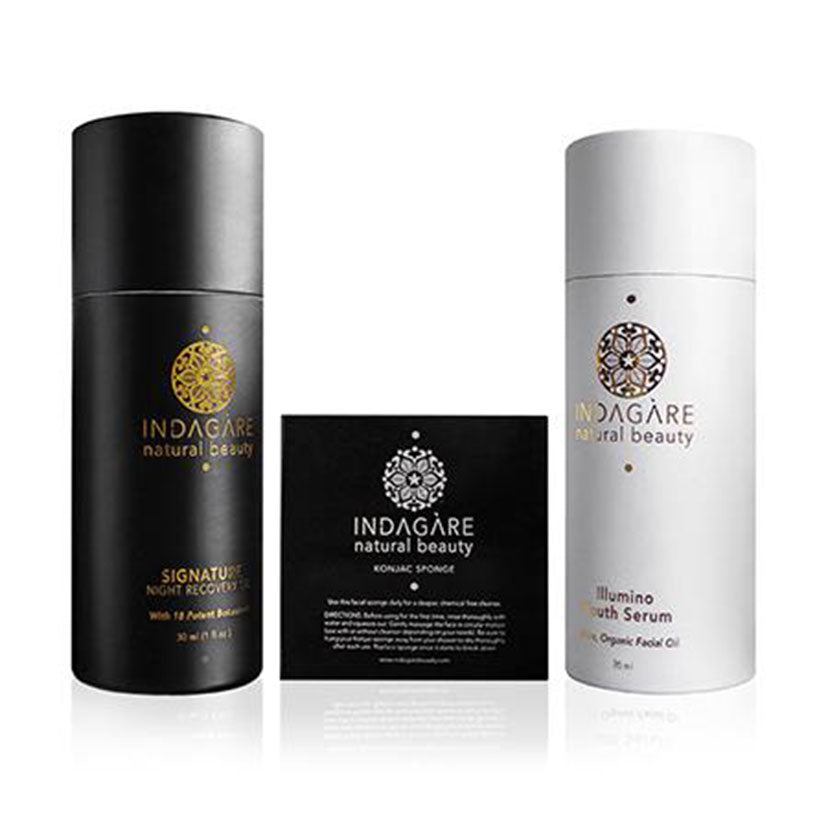
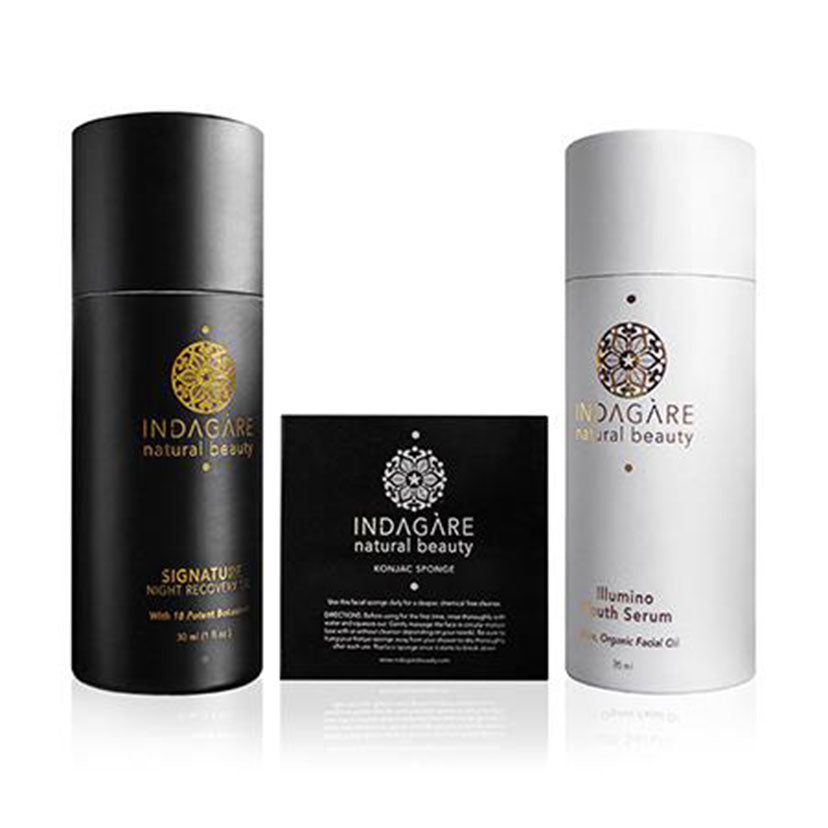
The Indagare Morning & Night Oil Duo is designed exactly for this phase.
Use the lighter oil (Illumino Youth Serum) in the morning under SPF for daytime hydration, and the richer Signature Night Recovery Oil in the evening for overnight barrier repair.
It's strategic layering without the heaviness.

Phase 2: Mid-Autumn (April) - Strengthen Your Barrier
What's happening: Consistently cooler mornings and evenings. Noticeable dryness, especially around the eyes and mouth. Skin feels tighter. Summer sun damage becoming more visible.
What to change:
- Increase face oil frequency to 4-5 nights per week, or even every night if your skin tolerates it well.
- Add an eye treatment if dryness around your eyes is pronounced. This delicate skin has fewer oil glands and shows seasonal changes first.
- Consider a richer night moisturiser if your current one isn't cutting it anymore. Layer it over your face oil for maximum benefit.
- Address pigmentation actively. With summer sun exposure behind you and autumn UV slightly gentler, this is an excellent time to target dark spots and uneven tone.
What to keep:
- Your hydrating serum (you added this in Phase 1)
- Your SPF (still essential)
- Your face oils (now a core part of your routine)

Featured solution:
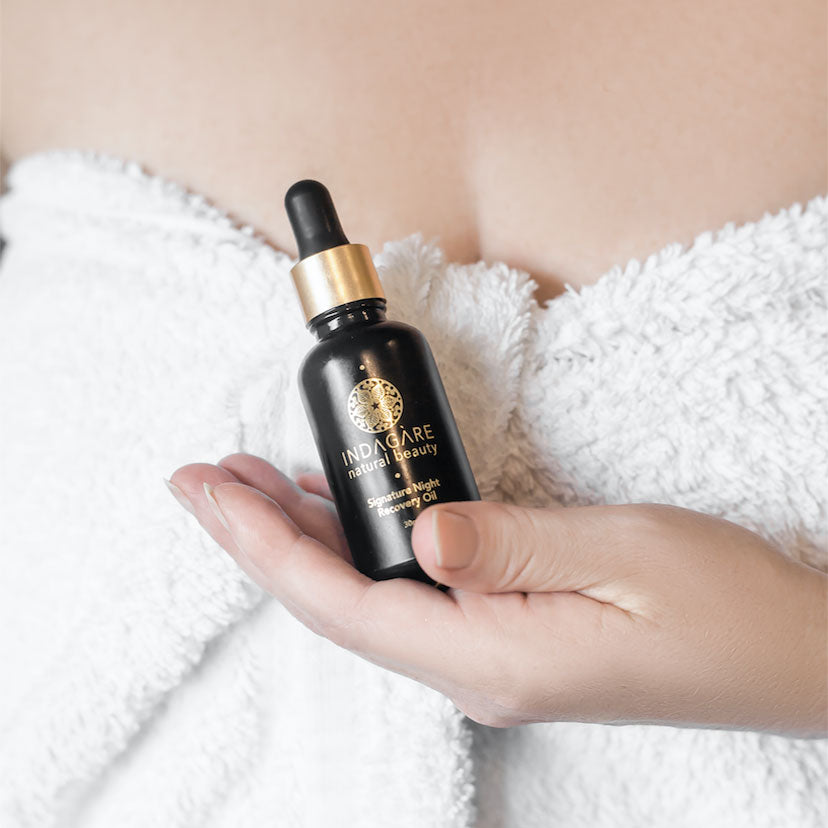
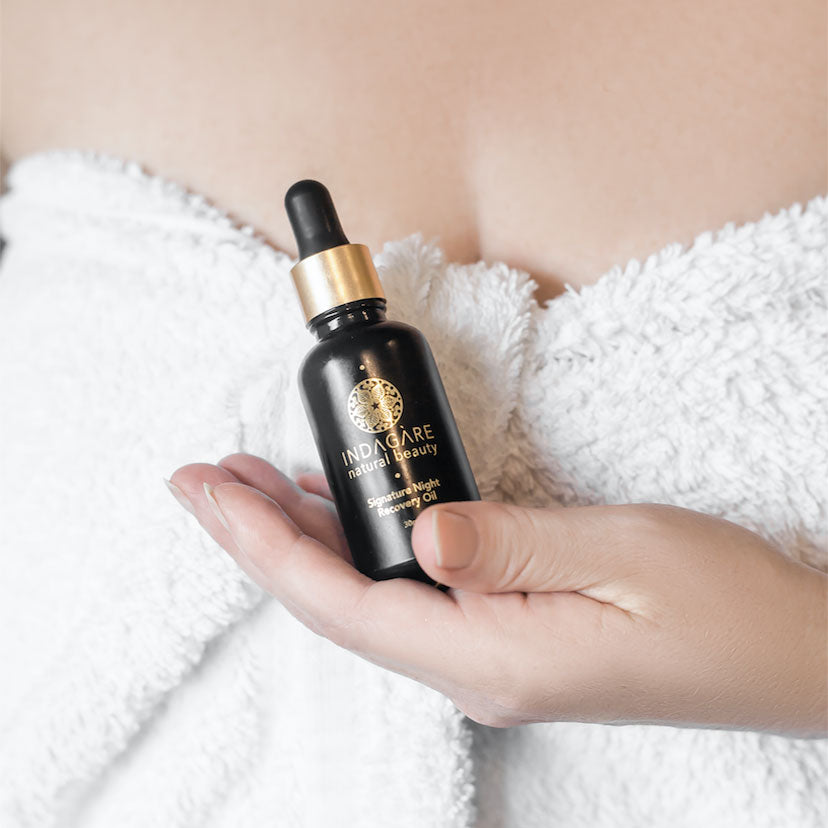
The Signature Night Recovery Oil becomes your nightly essential in this phase. Its 18 botanical oils—including argan, prickly pear seed, macadamia, and rosehip—work synergistically to repair summer damage, strengthen your barrier, and deliver the deep nourishment autumn skin craves. The high concentration of Vitamin E and essential fatty acids specifically addresses the TEWL issues that peak in mid-autumn.
For pigmentation concerns, the Illumino Youth Serum combines 100% pure prickly pear seed oil with rosehip oil. Prickly pear has the highest Vitamin E content of any oil (150% more than argan oil), making it exceptionally effective for fading pigmentation and evening skin tone. Use it morning and night for visible results within 4-6 weeks.

Phase 3: Late Autumn (May) - Lock It All In
What's happening: Genuinely cooler weather. Potential wind exposure. Indoor heating starting in some areas. Skin needs maximum protection and support.
What to change:
- Upgrade your moisturiser if you haven't already. You need occlusive ingredients now to seal everything in.
- Add a weekly mask or intensive treatment for extra hydration and repair.
- Consider switching your morning cleanser to something more gentle if your skin feels stripped.
- Increase body care with oils or richer lotions, especially on arms, legs, and any areas prone to dryness.
What to keep:
- Everything from Phases 1 and 2 that's working
- Your SPF (yes, still)
- Your core serum and oil routine

The Perfect Autumn Routine: Morning vs Night
Here's what an optimised autumn skincare routine actually looks like, with strategic product layering.
Morning Routine (5-7 minutes)
1. Gentle cleanse
Use a nourishing cleanser that doesn't strip your skin. If your skin feels tight after cleansing, your cleanser is too harsh for autumn.
The Luminesq Dust Face Cleanser is waterless and ultra-gentle, making it ideal for autumn skin that's more sensitive. The blue butterfly pea flower provides antioxidants while cleansing without disrupting your barrier.
2. Hydrating serum
Apply while skin is still slightly damp to lock in moisture.
3. Face oil (optional but recommended)
1-2 drops of a lighter oil like the Illumino Youth Serum provides daytime hydration without greasiness. Pat it gently into skin.
4. Moisturiser
Choose based on how dry your skin feels. Early autumn might still be fine with a lighter moisturiser. By May, you'll likely want something richer.
5. SPF
Non-negotiable. Apply generously. Reapply if you're outdoors for extended periods.

Night Routine (10-15 minutes)
1. Thorough cleanse
Double cleanse if you've worn SPF and makeup. Remove the day completely.
2. Treatment serum (if using)
Apply any active treatments (retinol, vitamin C, pigmentation treatments) first, on clean skin.
3. Hydrating serum
Even if you used actives, follow with a hydrating serum to prevent excessive dryness.
4. Face oil - the most important autumn step
This is where the magic happens. 3-5 drops of a nutrient-rich oil like the Signature Night Recovery Oil, warmed between your palms and pressed into your skin. Take your time with this step. Massage it in gently, focusing on areas of dryness or concern.
5. Night moisturiser (optional depending on your skin)
If your skin is very dry, layer a moisturiser over your oil to seal everything in. If the oil alone feels sufficient, that's fine too. Listen to your skin.
6. Eye treatment
Gently pat around the orbital bone. Don't pull or tug this delicate skin.
Weekly Additions:
- Gentle exfoliation 1-2 times per week (less if using active treatments)
- Hydrating mask 1 time per week
- Hair oiling treatment before washing (autumn is harsh on hair too)

Ingredient Spotlight: What Your Skin Needs Most in Autumn
Certain ingredients become particularly valuable as seasons change. Here's what to look for:
Essential Fatty Acids (Omega-3, 6, 9)
Why they matter: These repair and strengthen your skin barrier, which is under stress from increased TEWL in lower humidity.
Where to find them: Plant-based oils like argan, prickly pear seed, rosehip, macadamia, and sacha inchi.
How they work: Fatty acids integrate into your skin's lipid barrier, literally becoming part of the structure that prevents moisture loss. Think of them as mortar between bricks—they fill gaps and strengthen the whole structure.

Vitamin E (Tocopherols)
Why it matters: Powerful antioxidant that addresses summer sun damage and protects against continued environmental stress.
Where to find it: Prickly pear seed oil has the highest concentration, followed by argan and rosehip oils.
How it works: Neutralises free radicals from UV exposure, reduces inflammation, supports skin healing, and helps fade pigmentation.

Phytosterols
Why they matter: Anti-inflammatory compounds that soothe autumn skin irritation and support barrier function.
Where to find them: Macadamia oil, shea butter, avocado oil.
How they work: Reduce redness and sensitivity while helping your skin retain moisture more effectively.

Antioxidants (Polyphenols, Anthocyanins)
Why they matter: Continue protecting against oxidative damage and support skin repair processes.
Where to find them: Blue butterfly pea flower, rosehip oil, pomegranate, green tea.
How they work: Protect skin cells from environmental damage, support collagen production, and help reverse visible signs of ageing.

Addressing Specific Autumn Skin Concerns
Concern 1: Increased Dryness and Flaking
Why it's happening: Lower humidity + reduced sebum production + weakened barrier = moisture escaping faster than your skin can replace it.
What actually helps:
- Layer hydrating products: serum → oil → moisturiser
- Switch to cream or oil cleansers instead of foaming ones
- Add a humidifier to your bedroom (especially if you use indoor heating)
- Drink more water (yes, it actually does help, though it's not a miracle cure)
What won't help:
- Over-exfoliating (makes barrier worse)
- Using harsh, stripping cleansers (depletes natural oils further)
- Only using moisturiser without addressing barrier repair (temporary fix, doesn't solve the root cause)

Concern 2: Dullness and Uneven Texture
Why it's happening: Slowed cell turnover + accumulated sun damage + dehydration = skin that looks tired and lacklustre.
What actually helps:
- Gentle chemical exfoliation with enzymes or mild AHAs
- Vitamin C serum in the morning for brightness
- Face oils high in Vitamin E to address pigmentation
- Consistent SPF to prevent further damage
What won't help:
- Aggressive physical scrubs (can damage already-compromised barrier)
- Expecting overnight results (skin cell turnover takes 28+ days)
Concern 3: Pigmentation and Sun Spots Becoming More Visible
Why it's happening: UV damage from summer is cumulative. It doesn't show immediately—it appears weeks or months later as melanin production stabilises post-exposure.
What actually helps:
- Oils high in Vitamin E and essential fatty acids (prickly pear, rosehip)
- Gentle, consistent exfoliation to encourage cell turnover
- Dedicated pigmentation treatments (vitamin C, niacinamide, gentle retinoids)
- Religious SPF application to prevent darkening
What won't help:
- Harsh chemical peels (too aggressive for autumn-compromised skin)
- Inconsistent SPF (undermines all your other efforts)
- Expecting results in 2 weeks (real pigmentation fading takes 8-12 weeks minimum)

Concern 4: Increased Sensitivity and Redness
Why it's happening: Compromised barrier + temperature fluctuations + potential indoor heating = skin that's more reactive than usual.
What actually helps:
- Simplify your routine—fewer products, gentler formulations
- Focus on barrier repair with oils and ceramides
- Avoid hot water on your face (lukewarm only)
- Look for anti-inflammatory ingredients (blue butterfly pea flower, calendula, chamomile)
What won't help:
- Adding more active ingredients (strips barrier further)
- Switching products constantly (gives skin no time to adjust)
- Using alcohol-based toners (drying and irritating)

Your Autumn Skincare Checklist: The Essentials
Use this checklist to audit your current routine and identify what needs attention:
Core Products (Keep Year-Round):
☐ Gentle cleanser that doesn't strip your skin
☐ Broad-spectrum SPF 30-50
☐ Basic moisturiser appropriate for your skin type
Autumn Additions (March-May):
☐ Hydrating serum or essence
☐ Face oil for barrier repair and nourishment (3-7 nights per week)
☐ Richer night moisturiser if needed
☐ Eye treatment for delicate skin
☐ Gentle exfoliant (1-2x per week)
Targeted Treatments (As Needed):
☐ Pigmentation treatment if addressing sun damage
☐ Weekly hydrating mask
☐ Vitamin C for brightness
☐ Retinol for anti-ageing (use cautiously with barrier repair)
Body & Hair:
☐ Richer body lotion or body oil
☐ Hair oil for pre-wash treatments
☐ Hand cream (hands show seasonal dryness quickly)
Lifestyle Support:
☐ Humidifier for bedroom (especially if using heating)
☐ Hydration goals (2-3L water daily)
☐ Omega-3 supplements or increased dietary sources

Common Questions About Autumn Skincare Transitions
Q: How do I know if I actually need to change my routine, or if it's just in my head?
A: Your skin will tell you. If you're experiencing increased tightness after cleansing, dryness that wasn't there in summer, makeup sitting differently, or products absorbing faster without lasting as long, those are real signals. Trust what you're feeling, not just what marketing tells you.
Q: Can I use summer products in autumn if I just add more moisturiser?
A: Sometimes yes, sometimes no. Lightweight summer serums and moisturisers can often continue working if you layer them properly and add a good face oil. But if your cleanser was already a bit stripping in summer, it'll be worse in autumn—that one needs replacing.
Q: I have oily skin. Do I still need to change my routine for autumn?
A: Yes, but differently. Oily skin often experiences less oil production in cooler months, which can lead to dehydration (lack of water) even if you're not dry (lack of oil). You might find you can tolerate a lightweight oil in autumn that would have been too much in summer.
Q: When exactly should I start transitioning?
A: Watch your skin, not the calendar. Some people notice changes in early March, others not until mid-April depending on where you live in Australia and your individual skin. Start adding hydration when you notice the first signs of tightness or dryness.
Q: How long does it take for my skin to adjust to seasonal changes?
A: About 2-4 weeks if you're making appropriate changes. If you're still struggling after a month, you either haven't addressed the right issues or you're using products that aren't well-suited to your skin type.
Q: Is it worth investing in separate day and night oils, or can I just use one?
A: Separate oils for day and night allow you to optimise for different needs. Daytime oils should be lighter and fast-absorbing so they sit well under SPF and makeup. Night-time oils can be richer and more intensive since you have 8 hours for deep absorption and no concerns about pilling under other products.
The Morning & Night Oil Duo is specifically designed with this in mind—Illumino Youth Serum for daytime protection and brightness, Signature Night Recovery Oil for overnight repair and nourishment.
Q: Can face oils replace my moisturiser in autumn?
A: For some skin types, yes. Oils provide both hydration and occlusion (sealing moisture in). If your skin feels satisfied with cleanser → serum → oil, you don't need to add a moisturiser on top. But very dry skin often benefits from layering: serum → oil → moisturiser for maximum barrier protection.
Q: What's the single most important autumn skincare change?
A: Adding a high-quality face oil with barrier-repairing essential fatty acids and antioxidants. This one change addresses multiple autumn concerns: TEWL, barrier weakness, sun damage repair, and dullness. Everything else is supporting this core addition.
The Bottom Line on Autumn Skincare Transitions
You don't need to panic-buy an entire new routine. You don't need heavy creams in March. You don't need to follow arbitrary seasonal rules that ignore Australian climate realities.
What you do need:
- Strategic additions rather than complete overhauls
- Products that address barrier repair and hydration
- Ingredients backed by actual science, not marketing claims
- A phased approach that matches how autumn actually progresses in Australia
- Patience—skin changes take 4-6 weeks to become fully apparent
Listen to your skin. It knows what it needs better than any seasonal marketing campaign does.
And if your skin is telling you it's thirsty, tight, dull, or showing sun damage? The answer isn't complicated. You need hydration, barrier repair, antioxidants, and essential fatty acids. Face oils deliver all of this in the most bioavailable form.
Start with one good oil. Layer it properly. Give it 4-6 weeks. Let your skin respond.
Autumn skincare doesn't have to be complicated. It just has to be strategic.
Related Reading:
The Best Natural Face Oils That Actually Work – Deep dive into how oils work for mature skin
Argan vs Prickly Pear Seed Oil – Understanding the key oils in autumn skincare
Perimenopause Skincare Guide – If hormones are compounding your seasonal skin changes
Natural Hyperpigmentation Treatment – For fading summer sun damage