


Hyperpigmentation Treatment: How To Heal & Prevent It Naturally
#1 Most Popular Product!
$78.00 / $59.00 (save 24%)

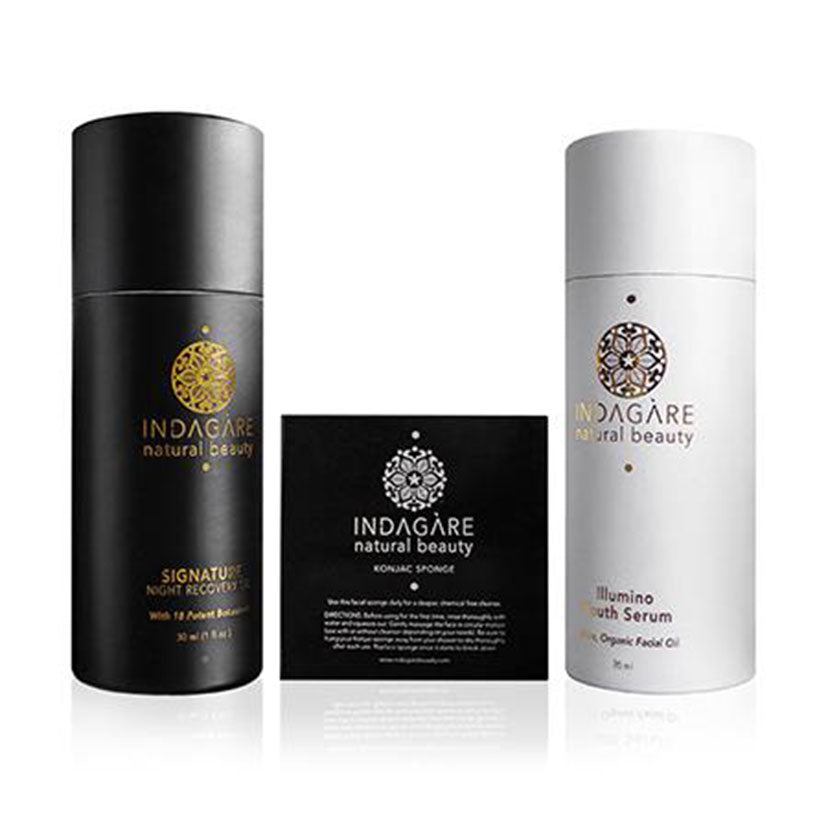
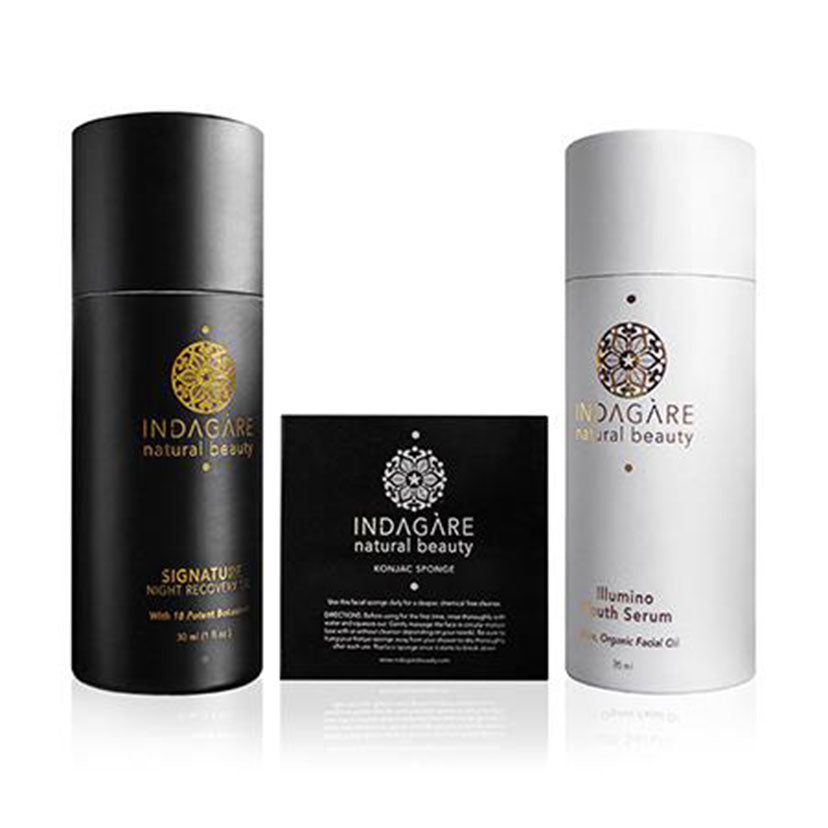
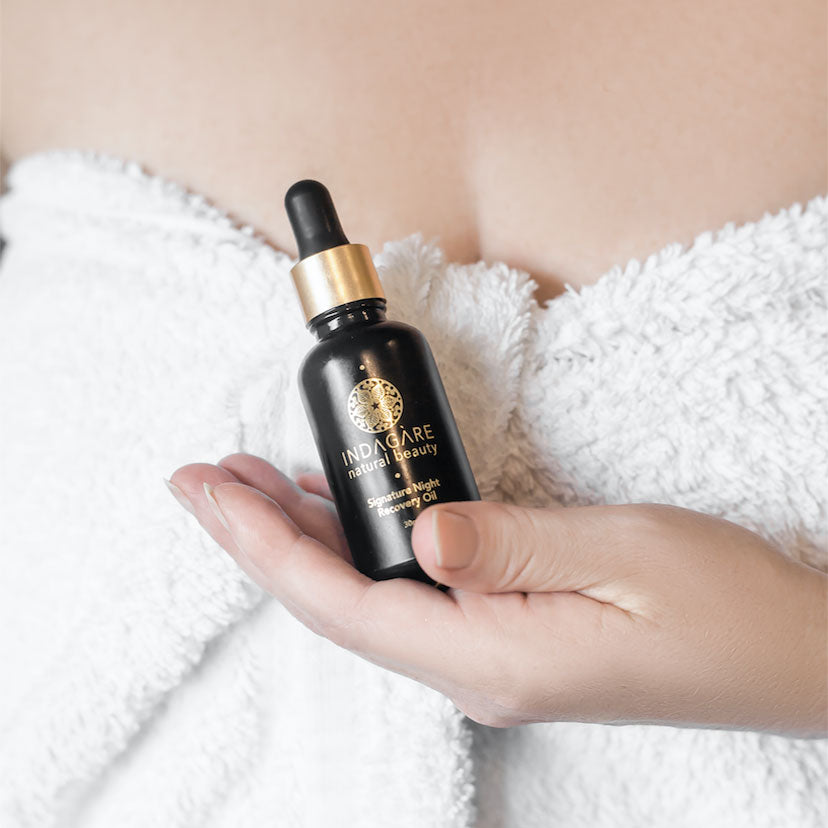
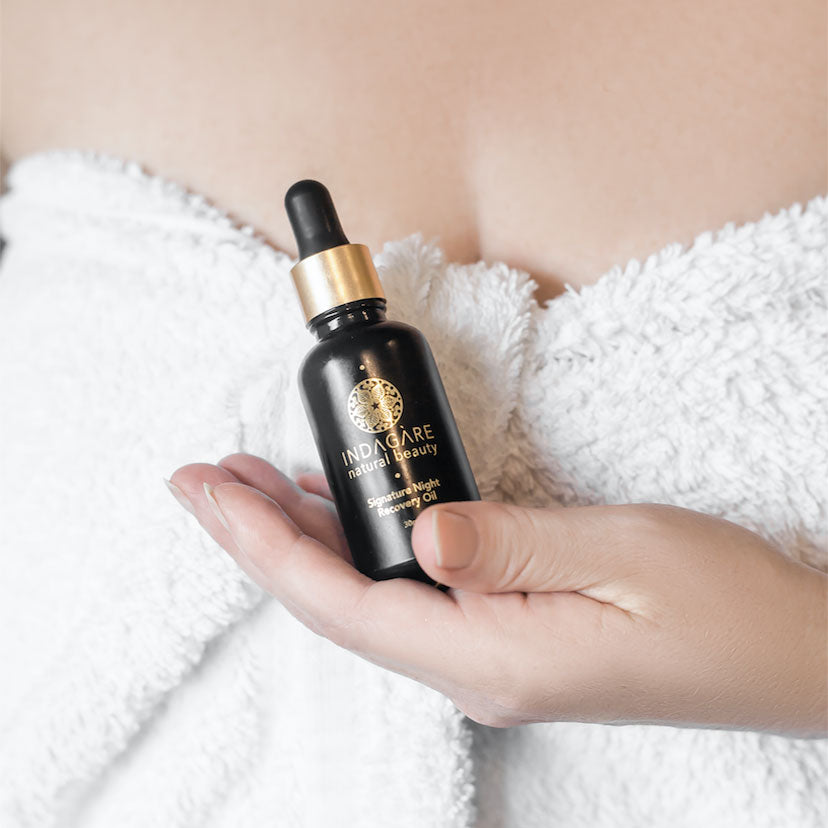
Delivering a power-packed cocktail of potent anti-aging botanicals, our face oil duo:
- Stimulates cellular turnover
- Enhances skin elasticity
- Reduces fine lines and wrinkles
- Repairs and brightens damaged skin
-
Corrects skin tone and fades pigmentation

100% Risk-Free Money Back Guarantee
What is hyperpigmentation? And how do you heal and prevent it?
If you look in the mirror and notice patches of skin that have a darker colour than the surrounding area, you have hyperpigmentation. It has several causes but wherever it came from, one thing is for sure … most of us try to cover it up or look for ways to treat it, such as seeking out the best skincare products for hyperpigmentation, at some point.
Whether in the form of patches or spots, perhaps you smooth on foundation to present an even skin tone. While that will hide the appearance of it, when your makeup comes off, the areas of hyperpigmentation remain. But they don’t have to! There’s a 100% natural hyperpigmentation treatment.
First, let’s find out what could be causing your hyperpigmentation before looking at the best skincare product for naturally managing it, and a few tips for what you should never do!
So, What Causes Hyperpigmentation?
Most hyperpigmentation comes in the form of age and sunspots. They appear as dark blotches on the face, hands, arms, and anywhere on the body. If you hang out in the sun a lot, live in a busy city, or are constantly exposed to environmental stressors and pollution, expect to see these.
Melasma is another type of hyperpigmentation which is caused by hormonal imbalances and changes. It often affects pregnant women and usually returns to normal afterward, though if you’re taking birth control pills, they can offset this skin condition too.
Post-inflammatory hyperpigmentation is when you have an allergic reaction, acne, or an abrasion of some kind. When the skin tries to heal, it becomes inflamed and creates too much melanin (health skin manufactures melanin, but its manufacture can be affected by lifestyle and environmental stressors).
Regardless of the type of hyperpigmentation you have, you will likely at some point look at ways to minimise it and, chances are, that will include looking for skincare products to help fade your hyperpigmentation.

Hyperpigmentation Treatment
Introducing The Single Best Natural Skincare Product Proven To Lighten Hyperpigmentation!
Despite its tough exterior, the oil from the seeds of the prickly pear cactus is making big headlines i n the beauty industry because it may help with various beauty concerns, including being the best natural skincare product you can find for your hyperpigmentation treatment.
Prickly pear seed oil is very high in linoleic acid (an essential fatty acid and omega 3), which is proven to lighten sun-induced hyper-pigmentation, protect the skin barrier, prevent water loss, and increase moisture. It also boasts a good dose of omegas 6 and 9, which ensure healthy skin integrity & overall skin tone.

Prickly pear seed oil is high in vitamin K, which leads to one of its superpowers: this divine beauty oil is second-to/none for naturally brightening skin tone.
In addition to helping with hyperpigmentation treatment, prickly pear seed oil helps lighten dark under-eye circles due to the vitamin K and vast amounts of healing vitamin E.
As if all of that is not enough, prickly pear seed oil is rich in polyphenols, which aid in preventing and treating sun damage, reducing redness and soothing irritation. Polyphenols are also free radical scavengers, so they help prevent the kind of damage to the skin that often leads to pigmentation.
Basically, this incredible beauty oil can be all kinds of helpful in your beauty regimen for defeating dark spots and brightening skin tone.
At a Glance: Benefits Of Prickly Pear Seed Oil For Hyperpigmentation Treatment & More!
- Helps fade hyperpigmentation spots
- Brightens under the eyes
- Fights the signs of premature ageing and wrinkle formation
- Deactivates free radicals
- Minimises pore appearance for refined texture
- Leaves skin nourished, moisturised, plump and full of elasticity
Discover the benefits of the highest quality prickly pear seed oil in Illumino Youth Serum to help you lighten up those dark spots and feel (and look!) brighter when you walk into any room!

Things You Should NEVER Do When Handling Hyperpigmentation
You have a better chance of smoothing things over with your skin if you take steps to stop it from becoming more noticeable. Here are a few things to keep in mind.
Avoid the sun
It’s definitely easier said than done, but sun exposure is always going to deepen the shade of your hyperpigmentation and make it more noticeable. Always wear a daily sunscreen with SPF 30 or higher, even if you’re not planning to be out in the sun for long. As my skin doctor says at my yearly skin checks – we underestimate the effects of ongoing incidental sun exposure!
Don’t pick your skin
If you’ve been injured, resist the urge to pick at scabs or acne. Your skin is trying to heal and when you disrupt the process, it can lead to an overproduction of melanin.
Want to read more about the best skincare product for hyperpigmentation? Visit our page on Illumino Youth Serum which boasts the world's best certified organic prickly pear seed oil. Be sure to read the real user reviews, too!

Prickly pear seed oil is high in vitamin K, which leads to one of its superpowers: this divine beauty oil is second-to/none for naturally brightening skin tone.
In addition to helping with hyperpigmentation treatment, prickly pear seed oil helps lighten dark under-eye circles due to the vitamin K and vast amounts of healing vitamin E.
As if all of that is not enough, prickly pear seed oil is rich in polyphenols, which aid in preventing and treating sun damage, reducing redness and soothing irritation. Polyphenols are also free radical scavengers, so they help prevent the kind of damage to the skin that often leads to pigmentation.
Basically, this incredible beauty oil can be all kinds of helpful in your beauty regimen for defeating dark spots and brightening skin tone.
What Real Customers Say:
"I am 48 years old and love a face oil. When I came across Indagare face oil I thought let's give this a try. I was that person on the constant quest for that clear, glowing, youthful complexion. Unfortunately I had invested so much money in fancy acids and serums that dried out my skin and actually caused my pigmentation to get worse. I have been using the night and day duo for close to a year now and my skin is soft, youthful looking and I get regular compliments. My pigmentation is almost non-existent to the point that I can go without make-up." - Nelida D.
"I am 65 and have normal to dry sun damaged skin with pigmentation. The pigmentation has lightened a little, but I am not expecting miracles as it has been there for many years. My skin feels very soft and hydrated and is nice and smooth. I believe with continued use the pigmentation will only improve more and more." - Deborah D.
"Within 2 weeks of receiving the serum and night oil I noticed the skin on my face looked brighter, dark spots had also faded slightly and my skin was really hydrated — no dry patches anywhere." - Michele H.
"I was shocked at the results of these oils after the first use. My skin tone was quite even the following morning. After a few weeks of continued use I've noticed a significant decrease of redness and even sunspots that were quite rough are smoothing and appear to be shrinking." - D Morgan
"I'm in my mid 40s and my skin completely changed post giving birth — pigmentation and breakouts. I've struggled to find a product, but this — my skin has soaked it up! I use evening and morning and I'm dewy and my skin has evened." - Sarah K.
Frequently Asked Questions:
How long does it take for hyperpigmentation to fade naturally?
It depends on how deep the pigmentation sits in your skin. Surface-level pigmentation (like a post-acne mark) can start fading within a few weeks with the right products. Deeper pigmentation from sun damage or hormonal changes can take 3–6 months of consistent treatment to show visible improvement — and longer for pigmentation that's been there for years. The key word is consistent. As one of our customers, Deborah (age 65), put it: "The pigmentation has lightened a little, but I am not expecting miracles as it has been there for many years. I believe with continued use the pigmentation will only improve more and more."
Can face oils actually help with hyperpigmentation, or do I need acids and peels?
Acids and peels can work, but they come with trade-offs — especially for sensitive or mature skin. They can cause irritation, dryness, and in some cases actually make pigmentation worse by triggering post-inflammatory hyperpigmentation (the exact thing you're trying to fix). Prickly pear seed oil takes a different approach: its high levels of linoleic acid, vitamin K, and polyphenols work to brighten and even skin tone without stripping or irritating the skin barrier. One customer, Nelida, found this out firsthand: "I had invested so much money in fancy acids and serums that dried out my skin and actually caused my pigmentation to get worse. I have been using the night and day duo for close to a year now and my pigmentation is almost non-existent to the point that I can go without make-up."
Is hyperpigmentation worse in Australia?
Yes. Australia has some of the highest UV levels in the world, and UV exposure is the single biggest driver of hyperpigmentation. Even if you're diligent about sunscreen, years of incidental sun exposure (walking to the car, hanging out the washing, sitting near windows) accumulates. For women over 40, this cumulative sun damage starts surfacing as dark spots and uneven tone — often seemingly overnight. That's why sun protection and a brightening treatment like prickly pear seed oil work best together: sunscreen prevents new pigmentation forming while the oil works on fading what's already there.
What's the difference between hyperpigmentation, melasma, and age spots?
They all involve excess melanin, but the causes differ. Age spots (also called sunspots or solar lentigines) are caused by UV exposure and appear as flat brown spots on sun-exposed areas. Melasma is triggered by hormonal changes — pregnancy, birth control, perimenopause — and typically appears as larger, symmetrical patches across the cheeks, forehead, or upper lip. Post-inflammatory hyperpigmentation follows skin trauma like acne, burns, or aggressive treatments. The good news is that ingredients which brighten and inhibit excess melanin production — like the vitamin K and linoleic acid in prickly pear seed oil — can help with all three types.
Can I use prickly pear seed oil if I have oily or acne-prone skin?
Yes. Prickly pear seed oil has a comedogenic rating of zero, which means it should not clog pores. It's also exceptionally lightweight — it absorbs almost immediately with no greasy residue. The high linoleic acid content actually helps balance sebum production, which is why some acne sufferers find it helpful rather than problematic. If you've been avoiding face oils because you assumed they'd make oily skin worse, prickly pear seed oil is worth trying.
What's the best skincare routine for hyperpigmentation?
Keep it simple. A complicated routine with too many active ingredients can irritate your skin and make pigmentation worse. A morning and night face oil that targets brightening and skin repair — combined with daily SPF 30+ sunscreen — is the most sustainable approach for long-term results. Our customers consistently report that the simplicity of a two-oil routine (Illumino Youth Serum in the morning, Signature Night Recovery Oil at night) is what makes them stick with it long enough to see real changes. As D Morgan put it: "After a few weeks of continued use I've noticed a significant decrease of redness and even sunspots that were quite rough are smoothing and appear to be shrinking."
Does vitamin C or vitamin K work better for hyperpigmentation?
Vitamin C gets most of the attention, but it has drawbacks: it oxidises quickly (meaning it loses potency once exposed to air and light), can cause irritation on sensitive skin, and many formulations aren't stable enough to deliver meaningful results. Vitamin K works differently — it targets the blood pigments and melanin pathways that cause dark circles and uneven tone, and it's naturally stable in oil form. Prickly pear seed oil is one of the richest natural sources of vitamin K, which is why it's particularly effective for brightening under-eye circles and evening out skin tone across the face.
Will hyperpigmentation come back after treatment?
It can, especially if the underlying cause hasn't been addressed. If your pigmentation is sun-related and you're not wearing daily sunscreen, new spots will continue forming even while you treat the existing ones. If it's hormonal (perimenopause, for example), fluctuating oestrogen levels can trigger recurring melasma. The most effective approach is treating existing pigmentation with brightening ingredients while protecting against future damage with sunscreen and antioxidants — which is exactly what prickly pear seed oil's polyphenol content provides.