
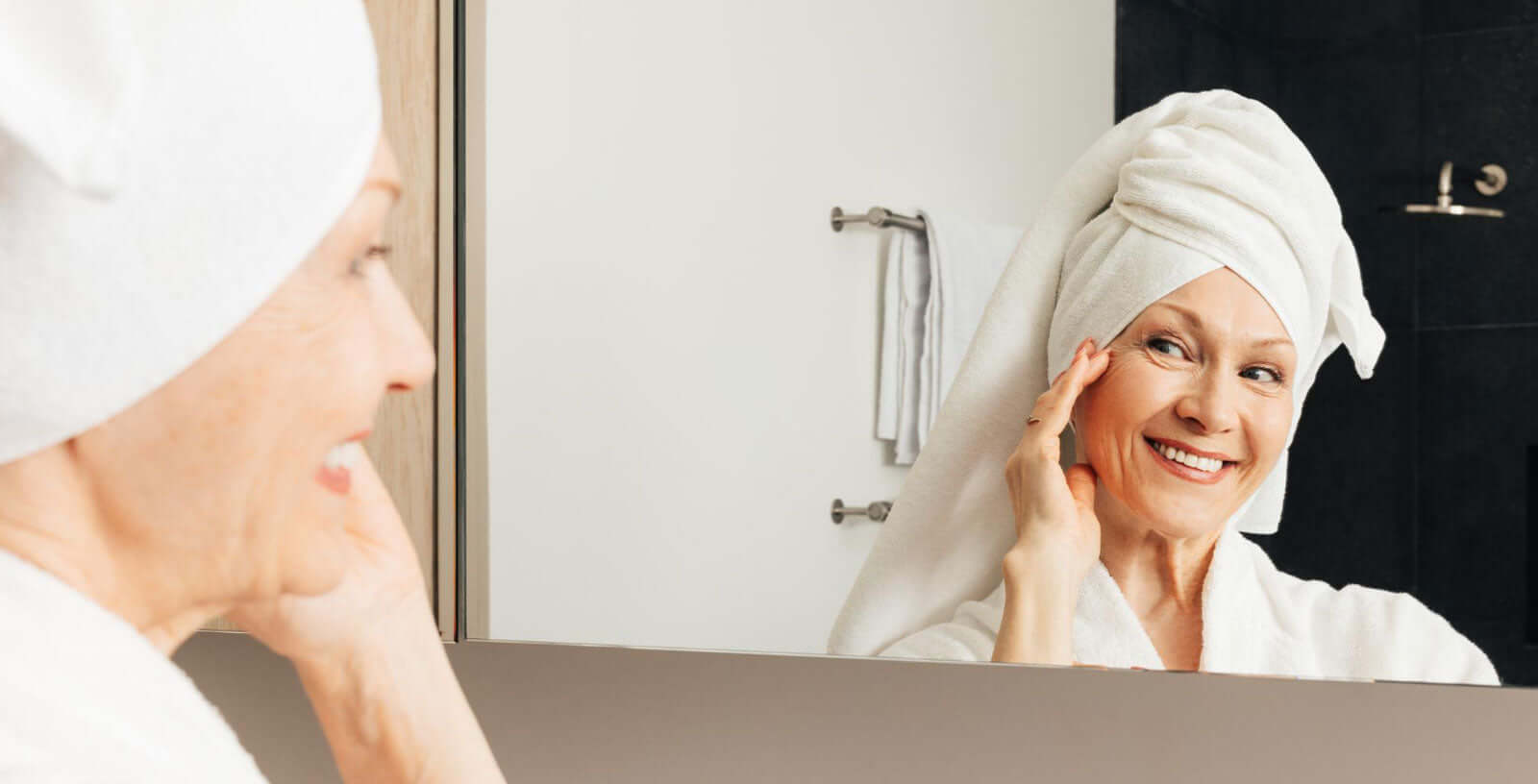

Best Skincare Products for Removing Signs of Stress and Tiredness from Mature Skin
I’m sure we've all been there – it’s not just me, right? – catching sight of ourselves in the bathroom mirror after a difficult week and thinking ‘that's what tired looks like.’
Dark circles deeper than usual. Skin that's lost its luminosity and looks vaguely grey. Fine lines that seem more pronounced than they did on Monday. That slightly hollow look around the eyes that no amount of coffee seems to fix.
Stress writes itself on our faces. And for mature skin already navigating hormonal changes, the effects can feel particularly pronounced. It's like your skin has become a mood ring you can't take off – broadcasting your emotional state to everyone you meet.
But here's what science is revealing: stress affects skin through specific biological pathways, and understanding these pathways helps us target solutions more effectively. This isn't just about looking less tired (though that's nice too). It's about actually supporting your skin through stressful periods.
How Stress Actually Ages Your Skin
Let's talk about what's happening beneath the surface when you're stressed. Understanding the mechanism helps you appreciate why certain approaches work – and why others are just marketing nonsense.
Stress triggers the release of cortisol – your body's primary stress hormone. While cortisol serves important functions in acute stress situations (it's part of the fight-or-flight response that kept our ancestors alive), chronically elevated levels wreak havoc on skin health.
Research published in PMC on cortisol and collagen demonstrates that cortisol directly inhibits collagen type I production. The study found that cortisol downregulates collagen expression through glucocorticoid receptor signaling, essentially telling your skin cells to stop producing the protein that keeps skin firm.
Read that again: stress hormones literally tell your skin to stop making collagen. It's not your imagination that your skin looks worse after a stressful period – there's a direct biological mechanism at work.

The Cortisol-Collagen Connection
Excess cortisol activates enzymes called matrix metalloproteinases (MMPs) that actively break down existing collagen and elastin. So not only does stress reduce new collagen production, it accelerates the destruction of what you already have. This structural degradation results in fine lines, wrinkles, and loss of volume.
A 2024 study in the Journal of Cosmetic Dermatology found that cortisol treatment of skin fibroblasts significantly downregulated collagen type I, collagen type III, and HSP47 – all crucial for skin structure. The study also showed cortisol induced significant DNA damage in skin cells.
DNA damage. From stress hormones. Let that sink in.
Inflammation and Oxidative Stress
Chronic stress creates persistent low-grade inflammation throughout your body, including your skin. This inflammation generates free radicals that damage skin cells. The inflammatory cascade contributes to hyperpigmentation, redness, and that dull, grey quality that stressed skin develops.
It's why you might notice existing pigmentation getting darker during stressful periods, or why your skin seems to flush more easily. The inflammation amplifies everything.

Barrier Dysfunction
Stress compromises your skin barrier, leading to increased transepidermal water loss (TEWL). Research shows stressed individuals have measurably higher TEWL, translating to drier skin that's more susceptible to environmental damage. A compromised barrier also means irritants get in more easily, triggering sensitivity you might not normally experience.
This is why your usually-reliable skincare routine might suddenly start stinging, or why your skin feels tight and dry even when you're using the same products. Stress has literally changed how your skin functions.
Recognising Stressed Skin
Sometimes we're so caught up in being stressed that we don't connect it to what we're seeing in the mirror. Here are the signs that stress is showing on your skin:
Your complexion looks dull or greyish, like someone turned down the brightness.
Dark circles are more pronounced, even when you've had adequate sleep.
Fine lines seem deeper, particularly around your eyes and forehead.
Your skin feels dry and tight despite your usual moisturising routine.
You're experiencing sensitivity to products that normally work fine.
Breakouts are appearing in unusual places.
Your skin takes longer to recover from any irritation.
Sound familiar? You're not alone, and you're definitely not imagining it.
Targeted Solutions for Stress-Affected Skin
Barrier Repair
Linoleic acid is crucial for barrier restoration. Studies in the International Journal of Molecular Sciences confirm that linoleic acid-rich oils help repair the skin barrier through incorporation into ceramides – the 'mortar' holding skin cells together.
Prickly pear seed oil, with its exceptionally high linoleic acid content (60-70%), is particularly effective for barrier repair while providing antioxidant protection. It's addressing both the symptom (damaged barrier) and part of the cause (oxidative stress).
When your barrier is compromised, less is more with your skincare. This isn't the time to try new actives or exfoliate more aggressively. It's the time to soothe, protect, and repair.
Antioxidant Support
Counteracting the oxidative stress created by cortisol requires robust antioxidant support. Vitamin E is particularly effective as a fat-soluble antioxidant that integrates into cell membranes where much stress-induced damage occurs.
Think of antioxidants as peacekeepers, calming down the chaos that stress creates at the cellular level. They can't undo the stress itself, but they can limit the damage it causes.
Eye Area Care
The delicate eye area shows stress first. Dark circles worsen due to stress-induced blood pooling and barrier compromise. The thin skin around your eyes has fewer oil glands and less structural support, making it particularly vulnerable.
Research on vitamin K shows promise for dark circles. A study in Advanced Biomedical Research found that vitamin K combined with caffeine reduced dark circles and improved skin around the eyes after four weeks of use.
Vitamin K helps with blood coagulation, which can reduce the appearance of the blood pooling that causes dark circles. Combined with the gentle rolling massage of our Pure Prickly Pear Eye Roller, you're addressing circulation while delivering nourishing oils.

Night Recovery
Sleep is when your skin repairs itself, but stress often disrupts sleep quality. You're caught in a vicious cycle: stress affects your sleep, poor sleep increases stress hormones, and your skin pays the price.
Creating a calming evening skincare ritual can help break this cycle. It's not just about the products—it's about signaling to your nervous system that the day is done.
Caitlin shared: ‘I find it really soothing to apply and my skin always feels good in the morning.’
The ritual itself becomes part of stress management – a moment of intentional self-care that signals to your body it's time to recover.

Building a Stress-Recovery Routine
Morning focuses on protection: gentle cleansing that doesn't strip already-compromised skin, antioxidant serum to defend against the day's stressors, and SPF to prevent stress-induced damage from compounding with UV damage.
Keep your morning routine simple during stressful periods. Your skin's tolerance is lower, and the last thing you need is to add skincare problems to your stress load.
Evening focuses on repair: thorough but gentle cleansing to remove the day (stress makes you hold tension in your face – a facial massage while cleansing can help release this), concentrated serums with barrier-supporting fatty acids, and facial oils that support overnight recovery.
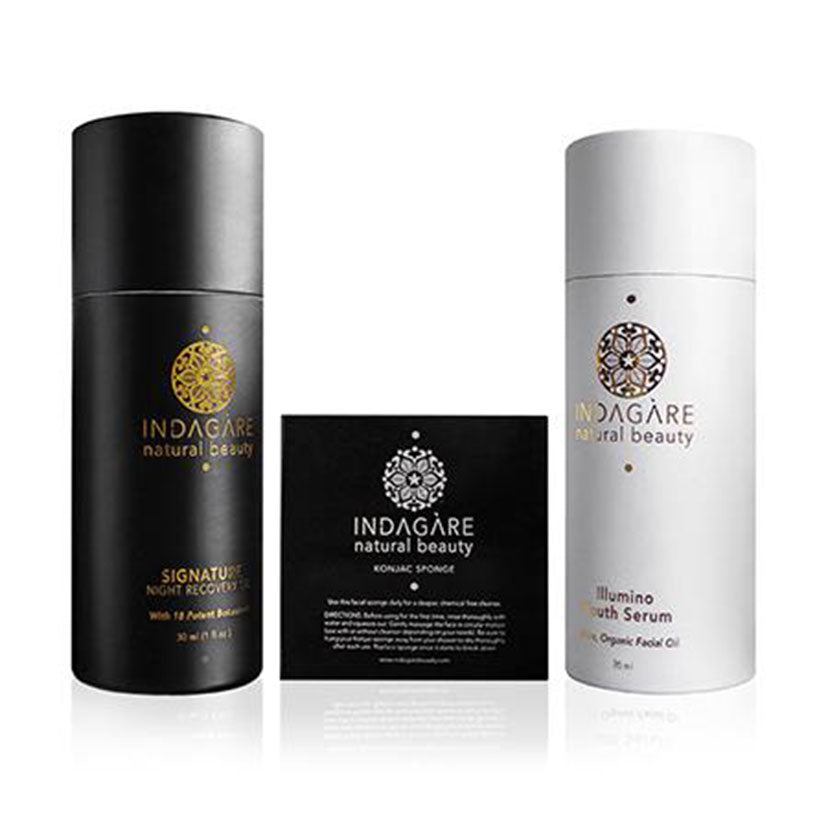
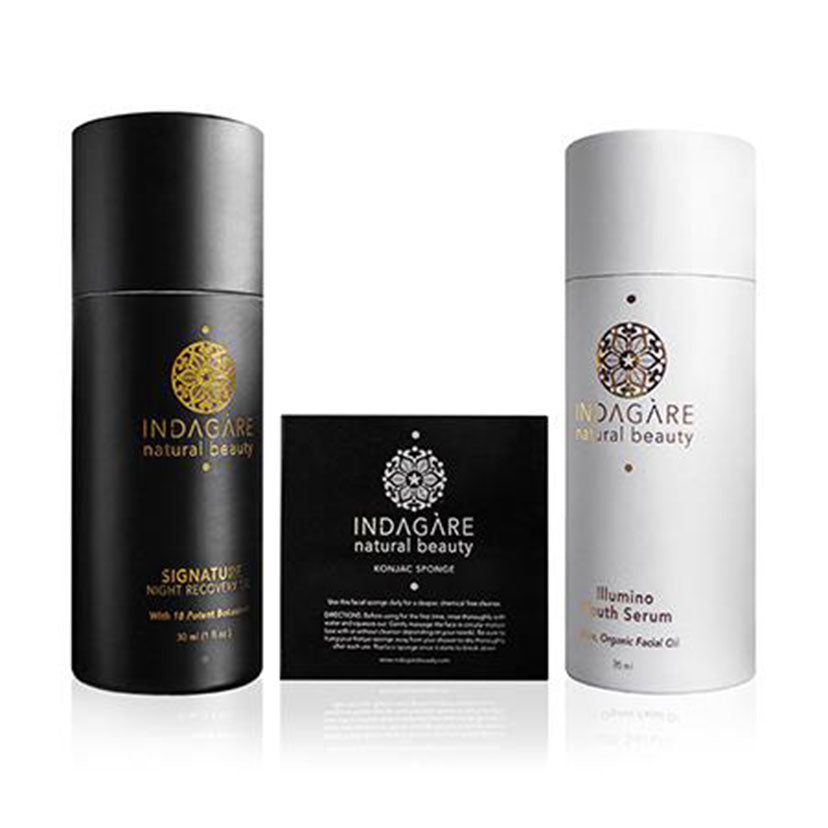
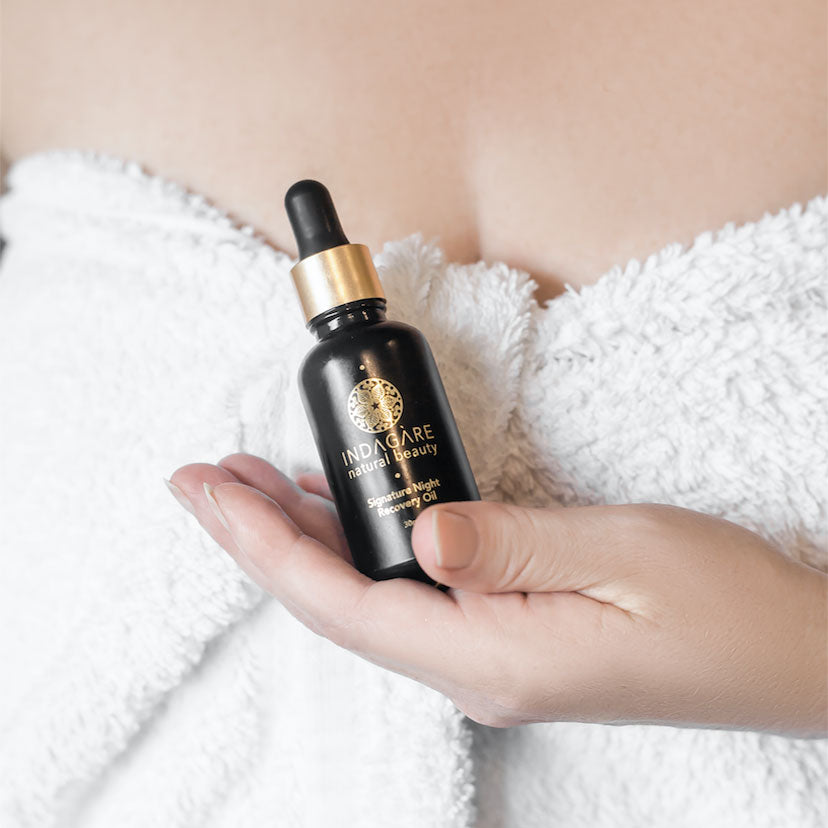
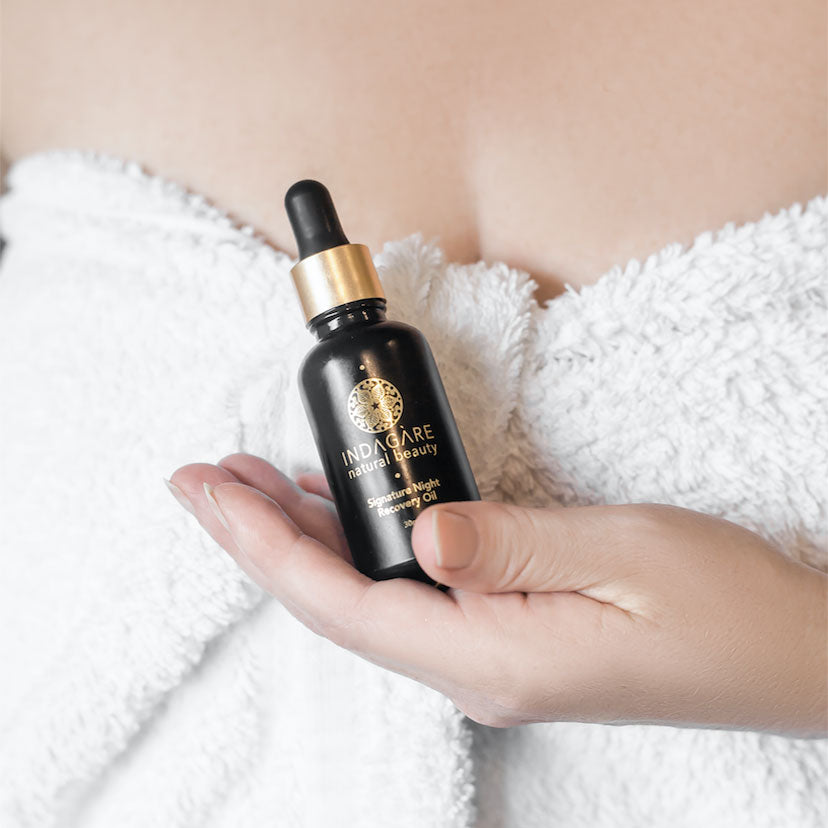
Our Signature Night Recovery Oil combines multiple botanical oils specifically for this purpose.
As Susan noted: ‘I find the ritual of putting the oils on my face relaxing and sets me up for a restful sleep.’
The products become part of a larger stress-management strategy.
The Mind-Skin Connection
The relationship between stress and skin runs both ways. When your skin looks tired, you feel more stressed. You avoid mirrors, or you fixate on them. You layer on more makeup, which can irritate already-sensitive skin. The stress about your skin becomes another source of stress.
When you take time for skincare rituals, you're not just treating symptoms – you're interrupting the stress cycle itself. The act of slowing down, of caring for yourself with intention, sends signals to your nervous system that safety and rest are possible.
This is why we emphasise ritual over routine. A routine is something you rush through on autopilot. A ritual is something you do with presence and intention. The difference isn't in the products – it's in the mindset.
Your skin reflects your inner state. By addressing both the biological mechanisms of stress damage and the psychological aspects of self-care, you create conditions for genuine restoration. Not just looking less stressed, but actually supporting your body's ability to cope.
Be gentle with yourself. Stress happens to all of us. Your skin will recover – and in the meantime, you can support it through the process.
With love,
Cath x