

Top-Rated Anti-Ageing Serums Suitable for Hot Weather
Let's address the elephant in the room: most anti-ageing advice was developed for people who don't live in climates like ours. The heavy creams and rich formulations that work brilliantly in European winters become sticky disasters in an Australian summer.
And if you're dealing with skin that's already changing due to age or hormones, finding the right summer serum feels like searching for a needle in a very sweaty haystack.
You know the feeling. You've just applied your usual serum, stepped outside, and within minutes your face feels like it's melting. Or worse – you've layered on your expensive anti-ageing products only to watch them pill up under your sunscreen, forming those tiny balls of product that make you look like you've forgotten how skincare works entirely.
But here's what the science tells us: the right serum doesn't just survive summer heat – it actually becomes more important during this season.
Why Summer Demands a Different Approach to Serums
Summer creates a perfect storm of skin challenges. UV radiation accelerates collagen breakdown through a process involving matrix metalloproteinases (MMPs) – enzymes that actively degrade the proteins keeping your skin firm. Heat increases blood flow to the skin's surface, which sounds good in theory but can actually trigger inflammation and redness. And then there's the sweat factor, which can dilute your products and throw off your skin's pH balance.
According to Frontiers in Pharmacology research, antioxidants like vitamin E help protect against UV-induced oxidative damage. Tocotrienols (part of the vitamin E family) are absorbed by skin more effectively than many other antioxidants, making vitamin E-rich serums particularly valuable during summer months.
For mature skin, this damage compounds what's already happening internally. Declining oestrogen affects skin thickness, elasticity, and hydration. Adding UV assault to this equation without proper protection and repair accelerates visible ageing significantly.
Here's the bit nobody tells you: that serum that worked perfectly in winter might actually be making things worse in summer. Heavy formulations can trap heat against your skin, increase sweating, and create a breeding ground for the bacteria that cause breakouts. Your skin is literally crying out for something different.

The Science of Summer-Proof Serums
Effective summer anti-ageing serums share several characteristics. Understanding these helps you cut through the marketing noise and find products that genuinely work.
High Antioxidant Content
Antioxidants neutralise the free radicals generated by UV exposure before they can damage cellular structures. Think of free radicals like tiny molecular wrecking balls – they bounce around your skin cells, damaging DNA and breaking down the collagen that keeps your skin firm. Vitamin E (tocopherol) is particularly effective because it's fat-soluble, allowing it to penetrate the lipid layer of skin where much UV damage occurs.
Research from the Linus Pauling Institute confirms that vitamin E's primary photoprotective effect comes from its role as a lipid-soluble antioxidant, protecting cell membranes from oxidative damage.
What does this mean in practical terms? It means that the serum you apply before sunscreen isn't just an extra step – it's your skin's first line of defence. The antioxidants work at a cellular level to mop up damage even when UV rays get past your SPF.

Essential Fatty Acid Profile
Linoleic acid plays a crucial role in maintaining your skin barrier – that invisible shield that keeps moisture in and irritants out. A comprehensive review in the International Journal of Molecular Sciences (2024) found that linoleic acid-rich oils promote skin barrier repair, wound healing, and even have anti-aging effects when applied topically.
Here's why this matters in summer: your skin barrier takes a beating from UV exposure, chlorine, salt water, and air conditioning. Every time you move from scorching outdoor heat to frigid air-conditioned spaces, your barrier has to adapt. A serum rich in essential fatty acids helps your skin cope with these constant transitions.
Quick Absorption
Summer serums should absorb quickly, leaving no residue that could trap heat or interfere with sunscreen application. Nobody wants to wait fifteen minutes between skincare steps when they're already running late and the day is already heating up.
Face Oils: Your Secret Summer Weapon
This might sound counterintuitive. Oil in summer? Won't that make skin greasy and clog pores?
I get it. I used to think the same thing. The idea of putting oil on your face when you're already battling humidity and sweat sounds about as appealing as wearing a wool jumper to the beach. But here's where the science gets interesting.
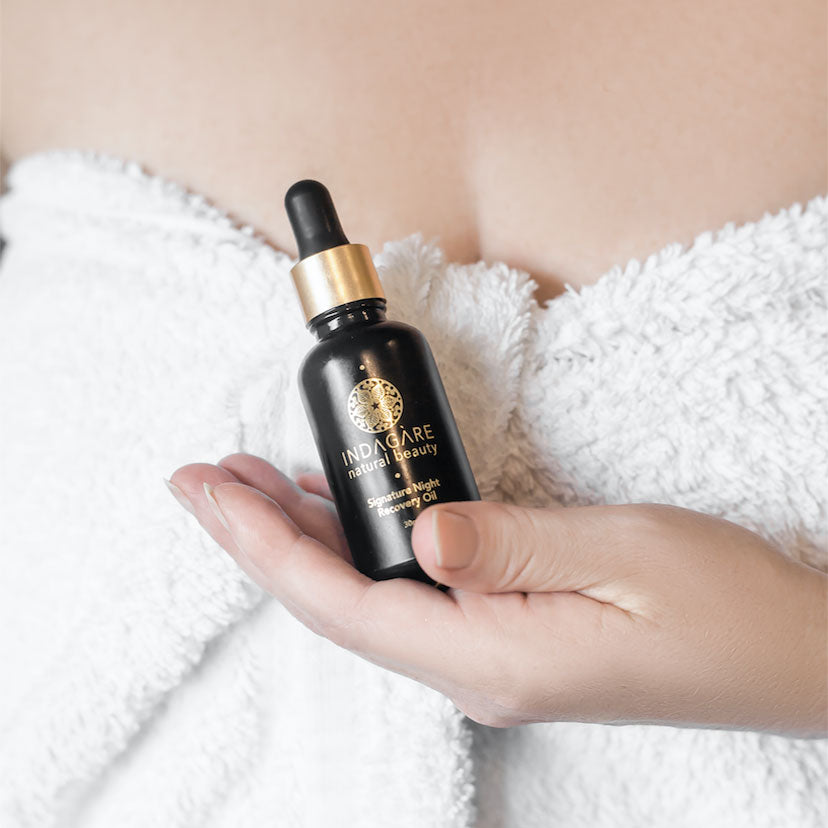
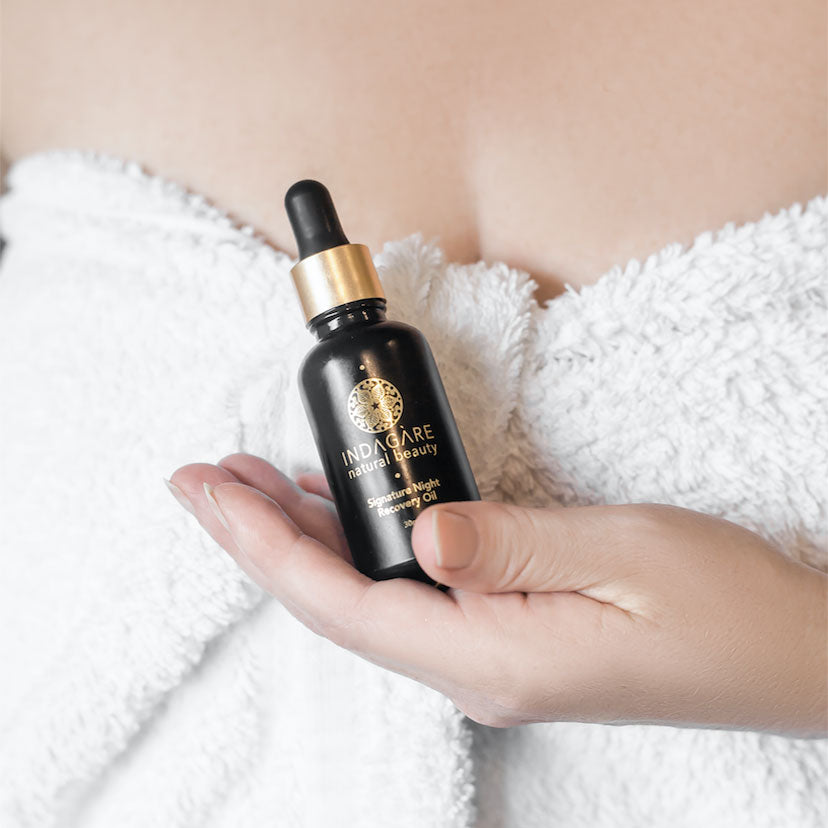
Actually, the right face oils are perfect for summer – especially for mature skin. Quality botanical oils are 'dry' oils, meaning they absorb rapidly without leaving a greasy film. Prickly pear seed oil, for instance, has a comedogenic rating of 0 (meaning it won't clog pores) despite being incredibly nutrient-dense.
Studies on prickly pear seed oil from The School of Aromatic Studies show it contains approximately 60-70% linoleic acid – the essential fatty acid crucial for skin barrier function – making it exceptionally suited for mature skin that needs both protection and repair.
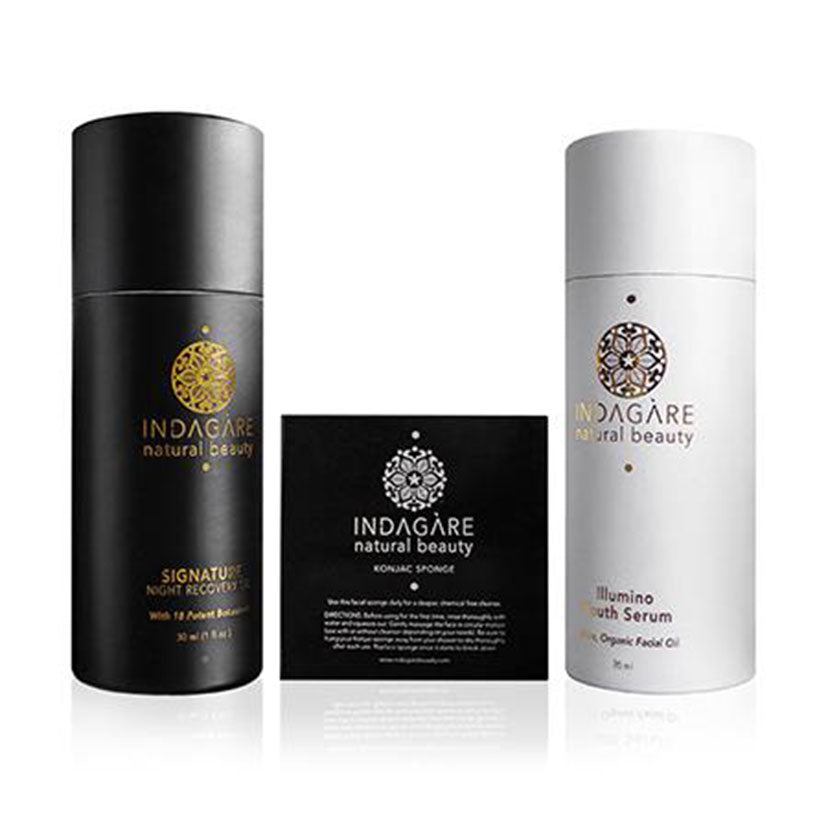
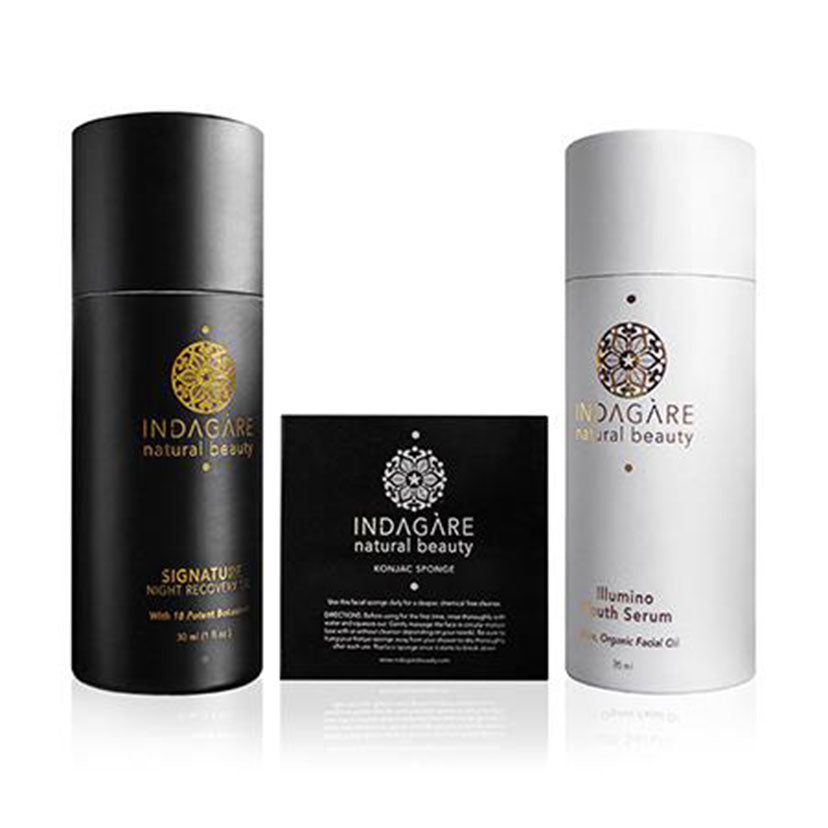
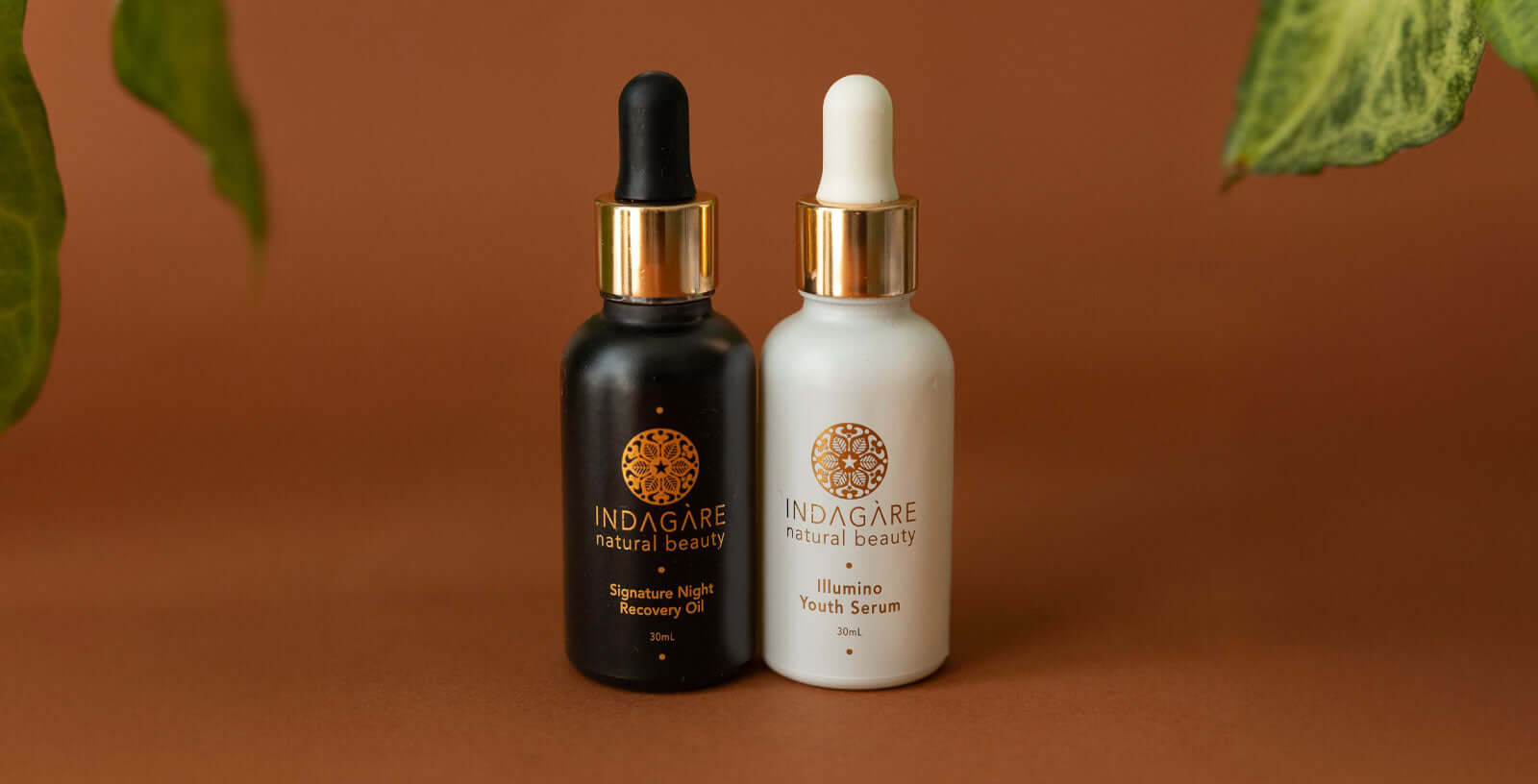
Desiree, one of our customers, described her experience with our Illumino Youth Serum: ‘The oil is not greasy or heavy at all. I was surprised, it just soaks straight in without that heavy feeling.’

That's exactly what you want from a summer serum.
The secret is in the molecular structure. Botanical oils like prickly pear seed oil have smaller molecules than many synthetic ingredients, which means they penetrate rather than sit on the surface. Your skin drinks them in, using the nutrients where they're needed rather than leaving a slick layer on top.
Key Ingredients to Look For
Prickly Pear Seed Oil (Opuntia Ficus-Indica)
Exceptionally high in vitamin E and linoleic acid. Research shows it has both antioxidant and anti-inflammatory properties, making it ideal for sun-stressed skin. It's also one of the lightest botanical oils available – practically weightless on the skin despite its powerful nutrient profile.
Fun fact: it takes approximately 8 tonnes of prickly pear fruit to produce just one litre of this precious oil. That's why quality prickly pear products aren't cheap—but a little goes a very long way.
Rosehip Seed Oil
A double-blind, randomised clinical study published in Clinical Interventions in Aging found that rose hip significantly improved crow's feet wrinkles, skin moisture, and elasticity after 8 weeks.
Rosehip is particularly good for addressing uneven skin tone and hyperpigmentation – issues that can become more pronounced with summer sun exposure.

Vitamin E (Tocopherol)
The primary fat-soluble antioxidant in skin. Research confirms it protects against UV-induced free radical damage and helps maintain skin's structural integrity. Look for it listed as tocopherol or mixed tocopherols on ingredient lists.
Argan Oil
Rich in both linoleic and oleic acids. A study in the Journal of Cosmetic Dermatology demonstrated that argan oil pretreatment significantly reduced protein loss in hair exposed to oxidative damage – suggesting similar protective benefits for skin proteins.
The Summer Serum Strategy
Knowing which ingredients work is only half the battle. How you apply them matters just as much – especially in summer when timing and layering become critical.
Morning Application
Apply to freshly cleansed, slightly damp skin. This is crucial – damp skin absorbs active ingredients more effectively than dry skin. Wait 1-2 minutes before applying sunscreen to allow the serum to absorb fully. If you're rushing out the door and skip this step, you risk your serum and sunscreen mixing into an ineffective mess.
Here's a trick that changed my mornings: keep a facial mist in the fridge. After cleansing, a quick spritz of cold mist not only feels incredible on a hot morning but creates the perfect damp base for your serum.
Evening Application
This is when you can use your serum more generously. Nighttime cell renewal accelerates, and your skin is more receptive to active ingredients. Your bedroom is (hopefully) air-conditioned and you're not about to layer sunscreen on top, so your serum can really get to work.
Take your time with evening application. Warm a few drops between your palms, press into your skin, and take a moment to breathe. It's not just good for your skin – it signals to your nervous system that the day is done.
Layering Order
Thinnest to thickest. Water-based serums first, then oil-based serums, then moisturiser. In summer, you might find a serum alone provides adequate hydration for daytime – especially if you're using a hydrating sunscreen as your final step.

What Real Results Look Like
We've worked with thousands of women navigating summer skincare for mature skin. The consistent feedback: switching to lightweight, botanical-based serums doesn't mean compromising on results.
Caitlin shared: ‘I find it really soothing to apply and my skin always feels good in the morning.’
That sensory experience matters – when your skincare feels good, you're more consistent with use, and consistency is what delivers results.
Another customer, Margaret, told us: ‘I was so skeptical about using oil in summer. I've spent my whole life being told oily skin plus oil equals disaster. But my skin has never looked better. It's like it finally got what it needed.’
Summer anti-ageing isn't about more products or stronger actives. It's about choosing formulations that respect how your skin functions in heat while delivering the nutrients it needs to repair and protect.
The best summer serum is one you'll actually use consistently – and that means finding something that feels as good as it works.
With love,
Cath x